World Breastfeeding Week 2026: How Hamlin Midwives Support Mothers and Babies
July 23, 2026
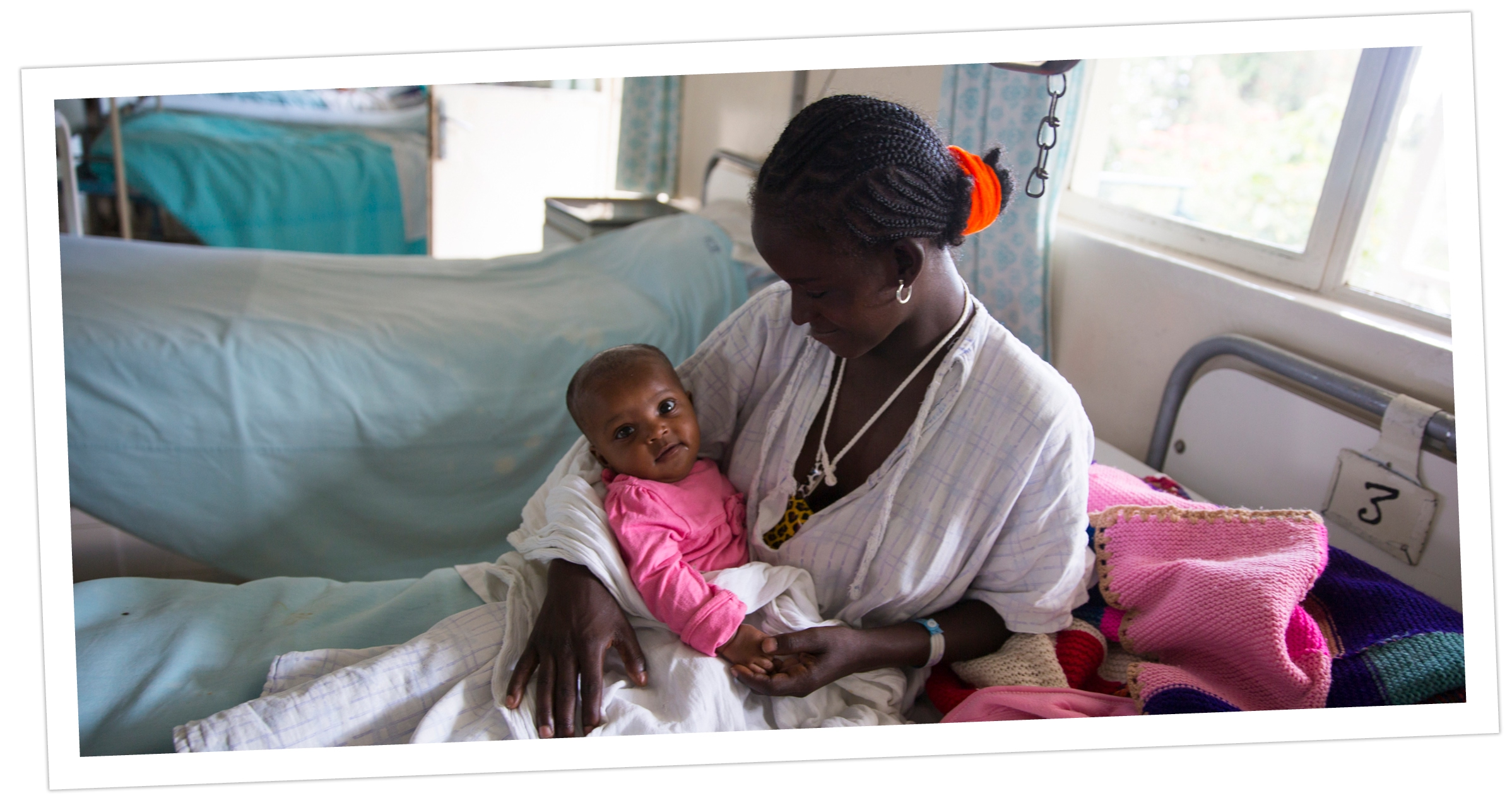
Every year from 1–7 August, World Breastfeeding Week raises awareness of the benefits of breastfeeding and the support women need throughout their breastfeeding journey.
Supported by the World Health Organization (WHO), UNICEF and health organisations around the globe, the week highlights the importance of creating environments in which women can access reliable information, skilled healthcare and practical support.
As a specialist provider of maternal healthcare in Ethiopia, Hamlin Fistula Ethiopia understands the important role breastfeeding can play in the health and wellbeing of mothers and babies.
The health benefits of breastfeeding
Breastmilk provides the energy and nutrients an infant needs during the first six months of life. WHO recommends exclusive breastfeeding for the first six months, followed by the introduction of safe and nutritious complementary foods while breastfeeding continues for up to two years or beyond.
Breastfeeding can help protect babies against gastrointestinal and respiratory infections, diarrhoeal disease and other potentially life-threatening illnesses. Research also links breastfeeding with benefits for children’s long-term health and development, including a reduced likelihood of becoming overweight or developing diabetes later in life.
There are important health benefits for mothers too. Breastfeeding is associated with a reduced risk of breast and ovarian cancers and can help delay the return of menstruation following childbirth.
Why breastfeeding is important in Ethiopia
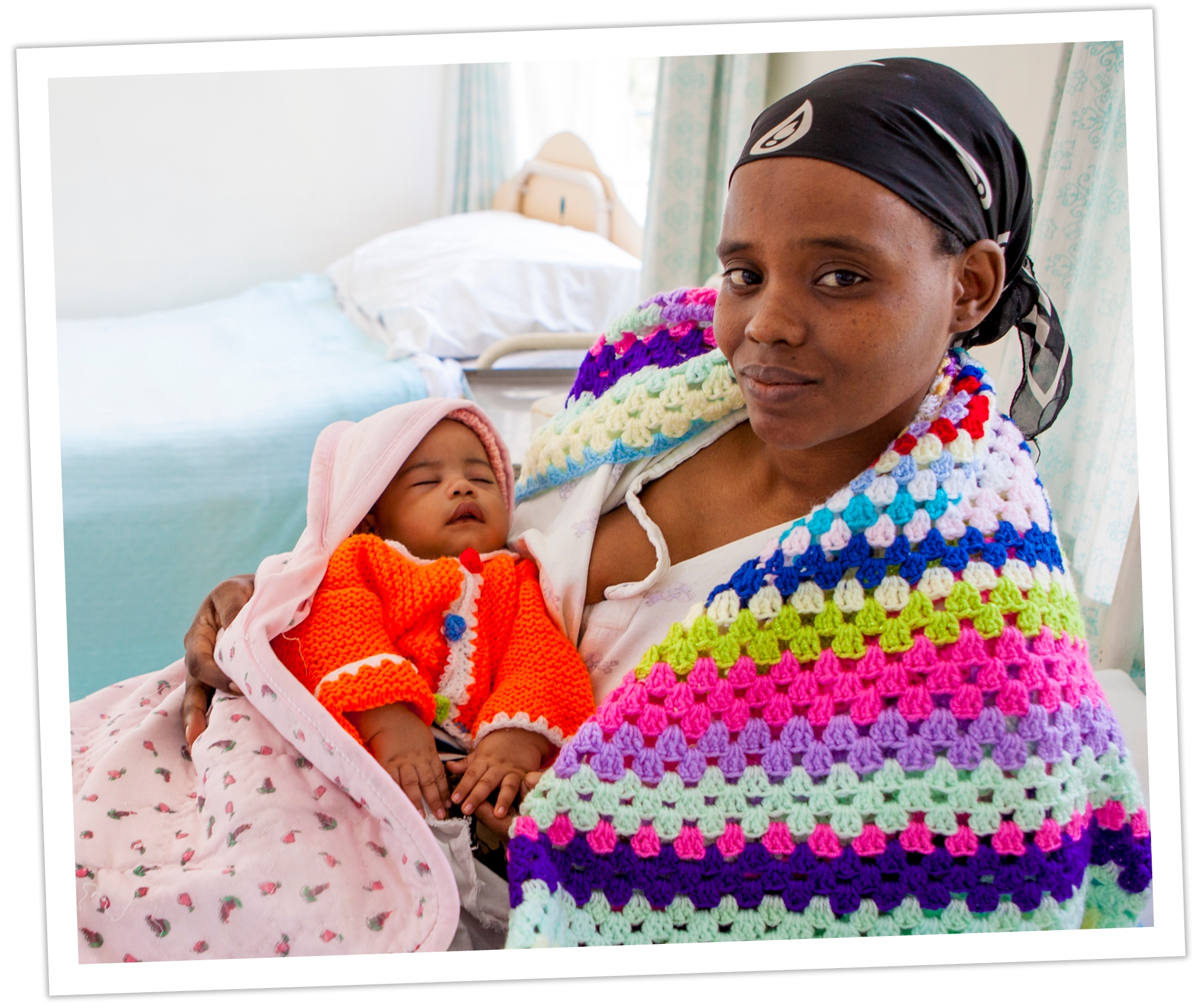
Breastmilk is safe, nutritious and readily available. This can be particularly important in communities where access to clean water, sanitation and affordable healthcare may be limited. According to the latest Ethiopian Demographic and Health Survey, over 70% of households does not have access to drinking water on their premises.
Preparing infant formula safely requires reliable access to clean water, appropriate equipment and sufficient supplies. For families experiencing financial hardship or living in areas with unsafe water sources, these requirements can present significant challenges.
However, breastfeeding is not always possible or straightforward. Every mother’s circumstances are different, and women need access to respectful, evidence-based advice that supports the health and wellbeing of both mother and baby.
How Hamlin Midwives support breastfeeding mothers
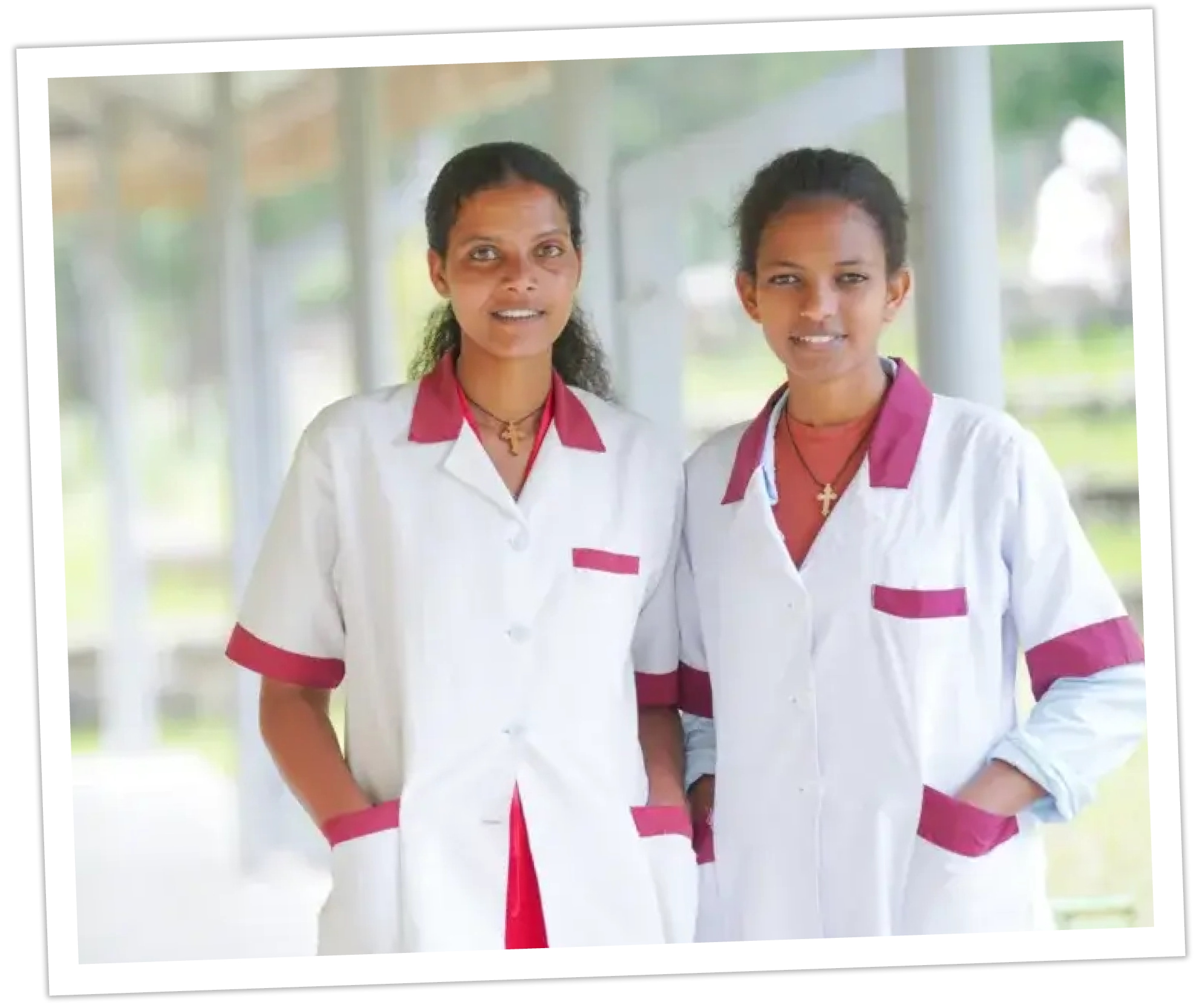
Graduates from the Hamlin College of Midwives are equipped to provide women with continuity of care throughout pregnancy, childbirth and the postnatal period.
Working in Hamlin-supported midwifery clinics across rural Ethiopia, they provide antenatal care, support safe deliveries and help mothers initiate breastfeeding after birth. They can also offer practical guidance when breastfeeding is difficult and monitor a baby’s weight, growth and nutrition.
This skilled support can help mothers feel more confident, identify problems early and ensure babies receive the care they need during their first days and months.
Caring for women beyond childbirth
Breastfeeding support should not end when a mother leaves a health facility. Women also need informed support from their families, communities, workplaces and health systems.
World Breastfeeding Week draws attention to the policies, services and social environments that enable women to breastfeed. This includes access to skilled healthcare, appropriate maternity protections and reliable information before and after a baby is born.
A healthier beginning for mothers and babies
Breastfeeding is one of the most effective ways to support child health and survival. Yet globally, fewer than half of babies under six months are exclusively breastfed.
By training and deploying skilled midwives in rural communities, Hamlin Fistula Ethiopia is helping more women access quality maternal healthcare throughout pregnancy, childbirth and beyond.
This World Breastfeeding Week, we recognise the vital role Hamlin midwives and healthcare professionals across Ethiopia play in helping mothers and babies begin their lives together with skilled care and compassionate, practical support.


Catherine Hamlin Fistula Foundation acknowledges the Traditional Owners and Elders past, present and emerging throughout Australia and the Gadigal people of the Eora Nation, the Traditional Owners of the land and waterways on which our Australian office is situated. We acknowledge the many ethnic groups in Ethiopia and their ancestral and cultural connection to the land where our work is undertaken.