Where We Work
Hamlin Fistula Ethiopia is dedicated to eradicating obstetric fistula forever and giving women back their lives and dignity through surgery, rehabilitation and support for reintegration back into the community.
We believe that access to maternal healthcare is the right of every woman, regardless of where they live.
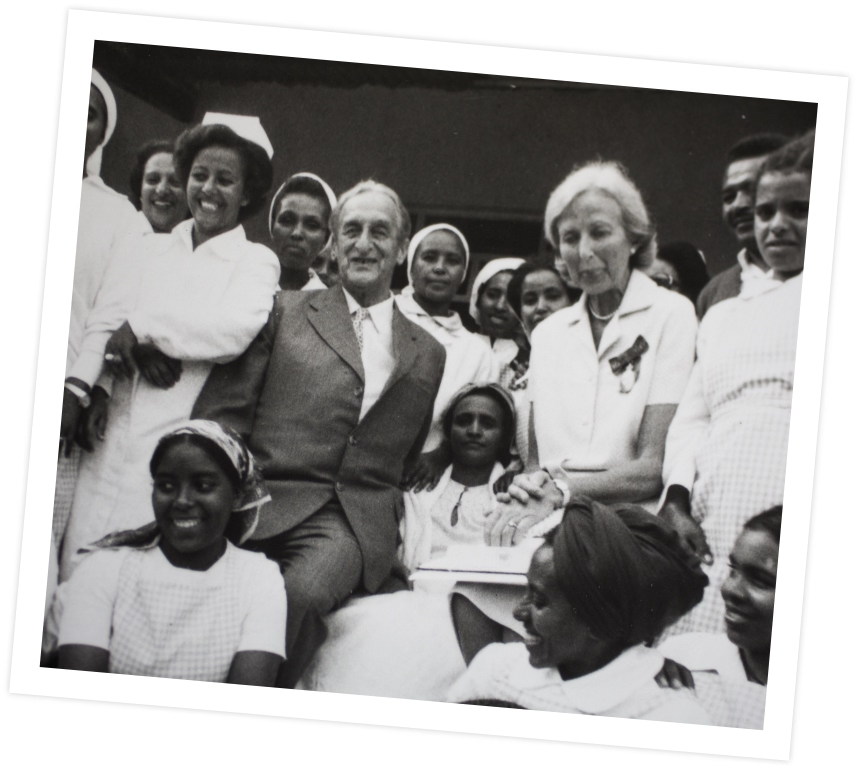
Hamlin Healthcare Network
The Hamlin healthcare network, begun more than four decades ago, has now expanded to cover the breadth of the country, with 5 regional hospitals in addition to the original Addis Ababa Fistula Hospital and staffed by more than 600 healthcare and clinical professionals.
In addition, Hamlin operates a Rehabilitation and Reintegration Centre, Desta Mender, and supports over 90 regional Hamlin-supported midwifery clinics, staffed by graduates of the Hamlin College of Midwives. Desta Mender offers specialised support for those with long-term injuries.
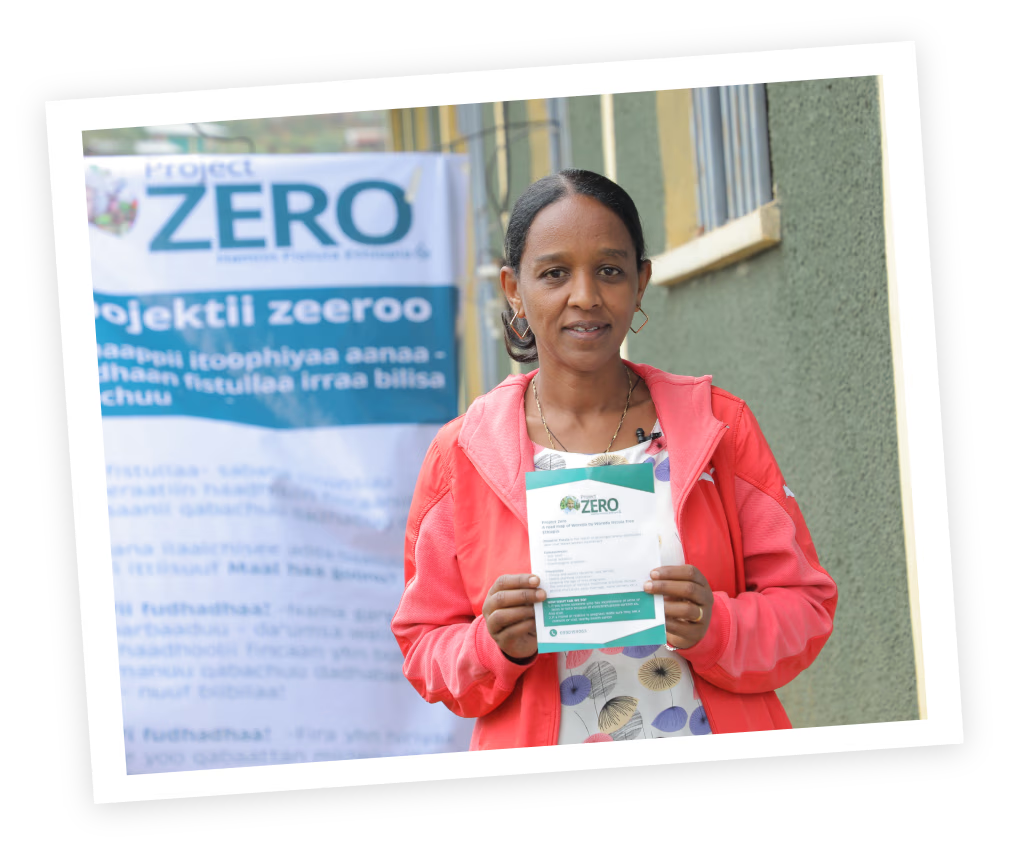
And with Project Zero now in action, our teams of healthcare professionals and patient identification officers plan to travel to all 1,000 Woredas (districts) in Ethiopia to find and treat those living with obstetric fistula, while also giving women the knowledge and tools they need to ensure they give birth safely.
Explore the map of Ethiopia to see where Hamlin is working
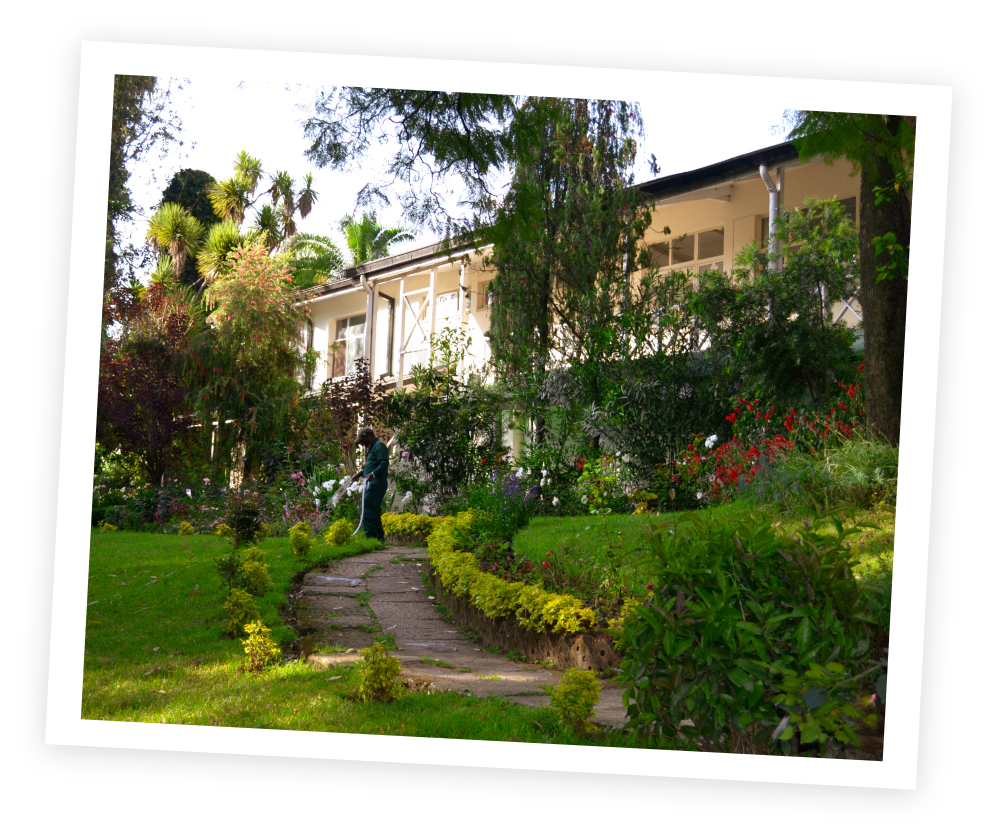
1974
Addis Ababa
Hamlin’s Addis Ababa Fistula Hospital is the main fistula hospital located in the capital Addis Ababa, in the centre of Ethiopia. Built in 1974, the Addis Ababa Fistula Hospital has three wards, a large operating theatre, specialist clinics including a physiotherapy department, urodynamic and stoma clinic, pharmacy and pathology services. The hospital has a 120-bed capacity.
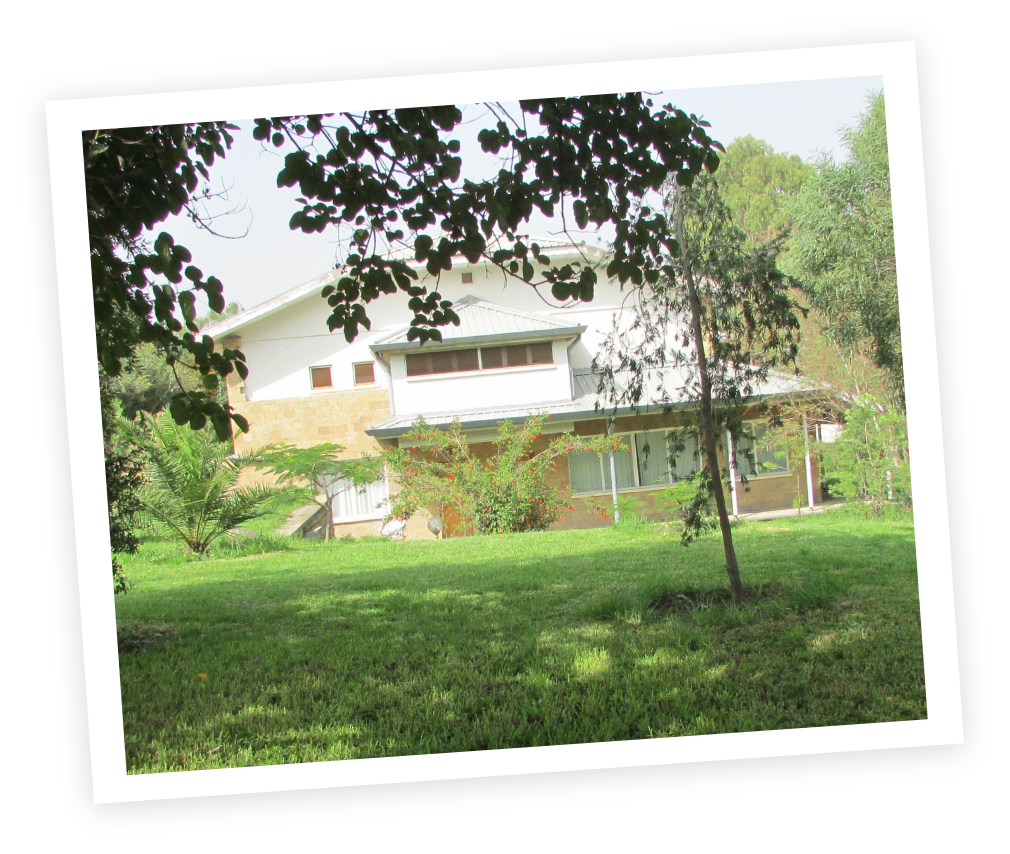
2006
Mekele
Hamlin’s Mekele Fistula Hospital was opened in February 2006. Strategically located in Mekele, in the northern fringe of Ethiopia, the hospital also caters to patients from the neighbouring Afar and Amhara regions. Mekele Fistula Hospital’s dedicated health officer’s primary responsibility is to locate fistula patients in inaccessible parts of Tigray and to promote health education to prevent fistulas from occurring.
2006
Yirgalem
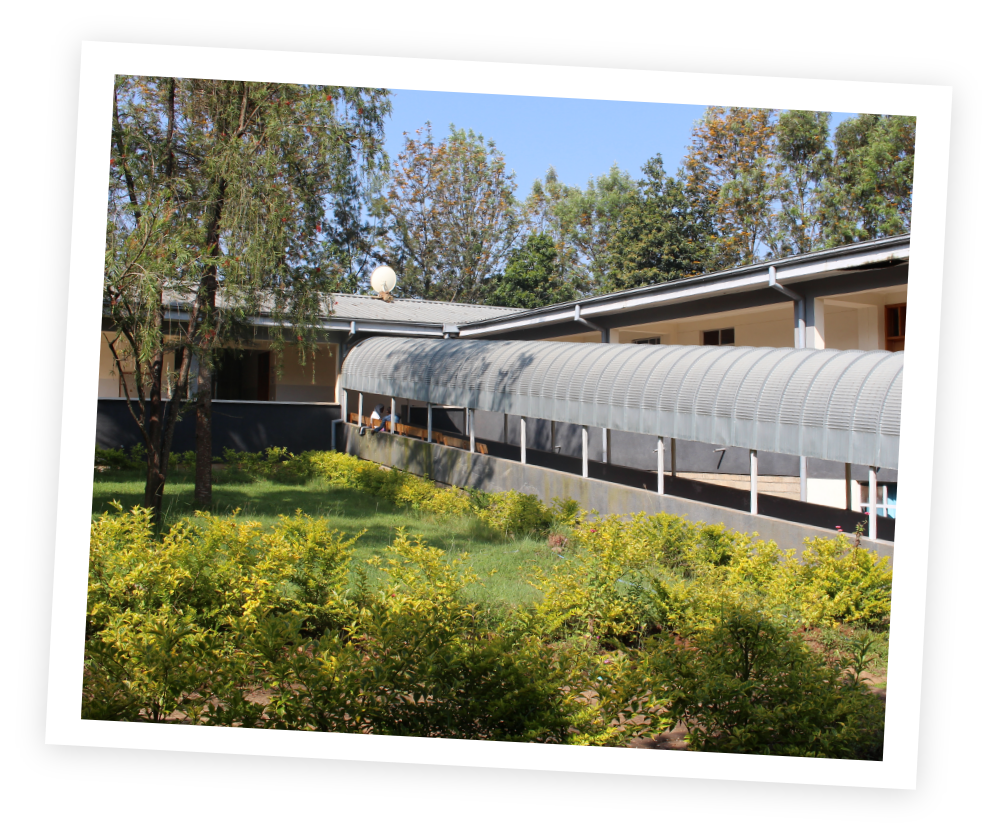
Located to the south of Addis Ababa, Hamlin’s Yirgalem Fistula Hospital has treated thousands of fistula patients from the Southern Nations and Nationalities Peoples’ Region (SNNPR) since its establishment in 2006. The staff at Yirgalem were taught at the Addis Ababa Fistula Hospital and have a particular commitment to caring for impoverished women in the Sidoma zone of SNNPR.
2007
Bahir Dar
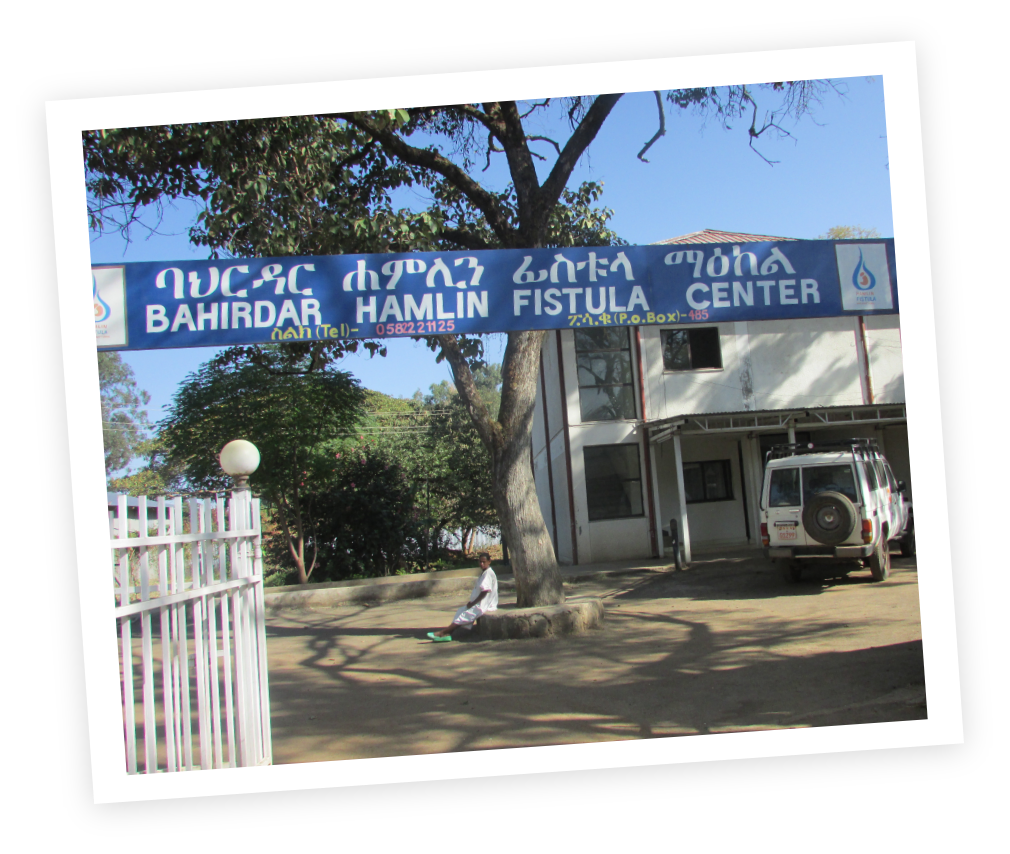
Hamlin’s Bahir Dar Fistula Hospital, located in the capital of the Amhara region, is approximately 540km north-west of Addis Ababa. Opened in 2007, the hospital has treated thousands of fistula patients from the Amhara region and reintegrated the majority of them back into their communities. Many of the staff at Bahir Dar are former patients who were trained by Hamlin’s senior doctors, including Catherine.
2008
Harar
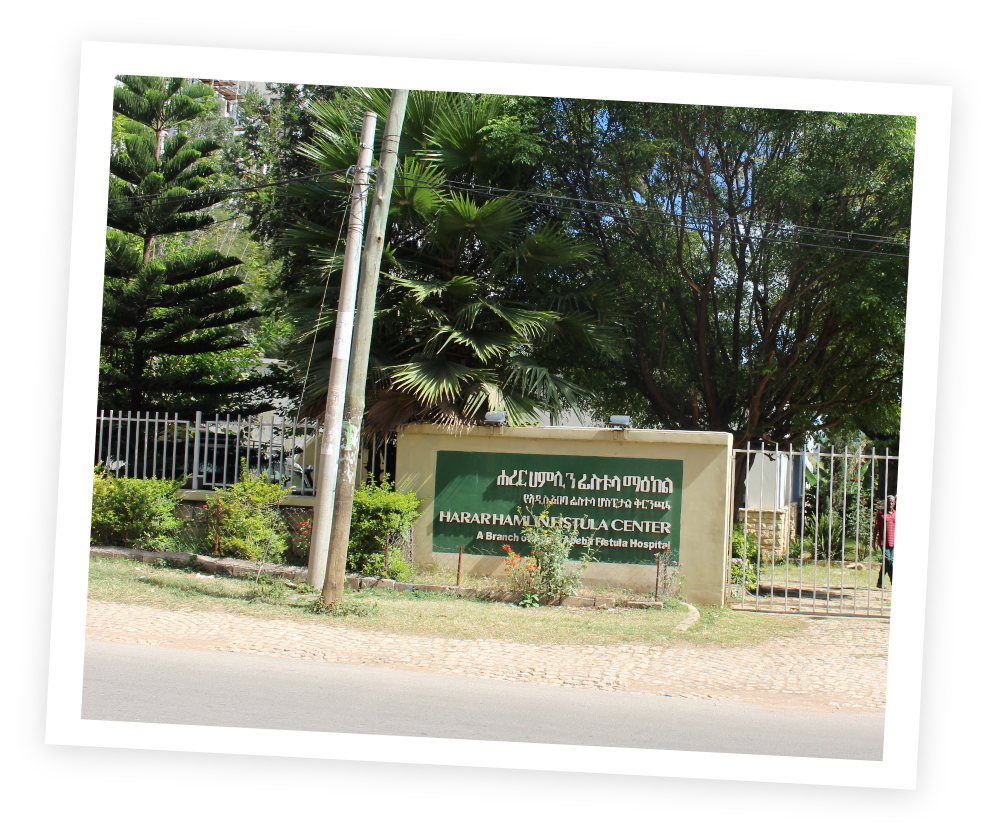
In 2008, Catherine opened Hamlin Fistula Ethiopia’s fourth regional fistula hospital in Harar. Strategically located as Hamlin’s easternmost hospital, Harar is approximately 500km east of Addis Ababa. The Public Health Officer at Hamlin’s Harar Fistula Hospital works in Harar and the neighbouring regions to raise awareness of fistula.
2010
Metu
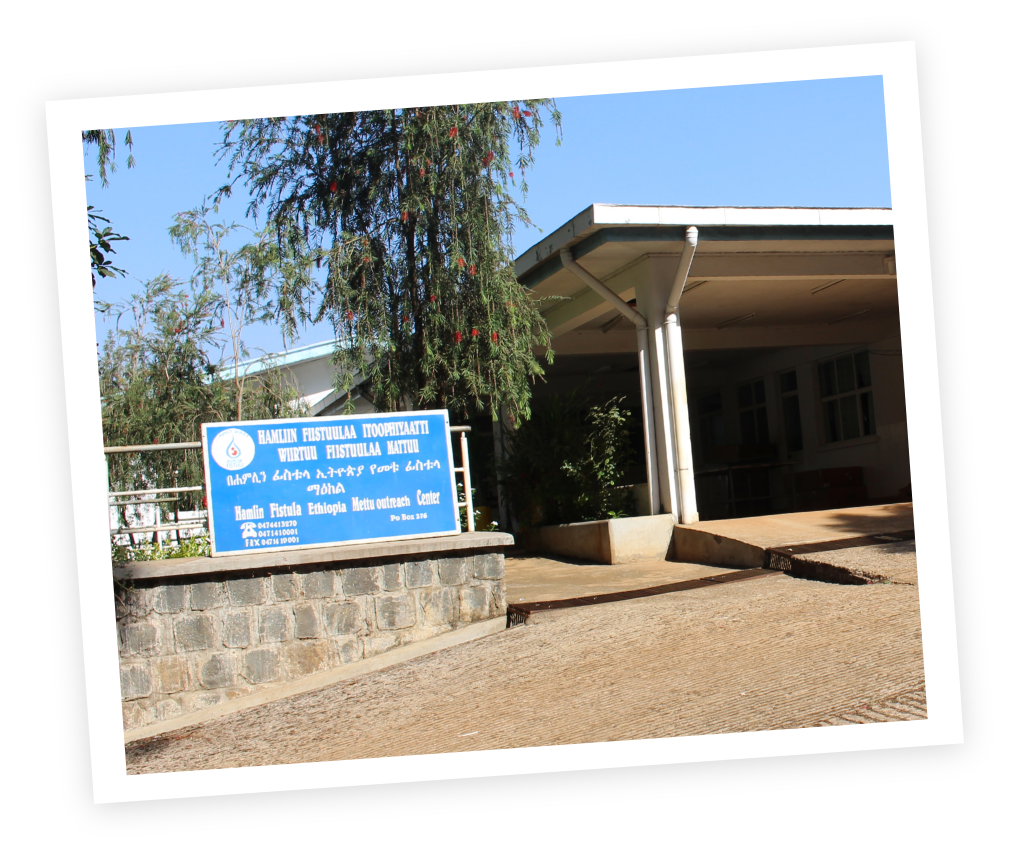
Hamlin’s Metu Fistula Hospital was opened in 2010. Metu is situated along the Sor River, 600km southwest of Addis Ababa, in the Oromia region. The Metu hospital is of great importance in Oromia, where there is limited access to health facilities for its population of over 35 million people. The hospital also employs numerous teachers to teach literacy, provide health education and handicrafts training to fistula patients.
Find Out More About What We Do
Our Governance
International Partners


Catherine Hamlin Fistula Foundation acknowledges the Traditional Owners and Elders past, present and emerging throughout Australia and the Gadigal people of the Eora Nation, the Traditional Owners of the land and waterways on which our Australian office is situated. We acknowledge the many ethnic groups in Ethiopia and their ancestral and cultural connection to the land where our work is undertaken.