Ending obstetric fistula starts in rural communities: the Project Zero approach
October 29, 2026
In brief:
- Obstetric fistula is not inevitable. It can be prevented when women have access to antenatal care, skilled midwifery and emergency obstetric services.
- Hamlin Fistula Ethiopia’s Project Zero connects community awareness and referrals with stronger health facilities, health worker support and local leadership.
- The program's goal is to build lasting healthcare systems to prevent and treat fistula in all 1,000 woredas across Ethiopia by 2036.
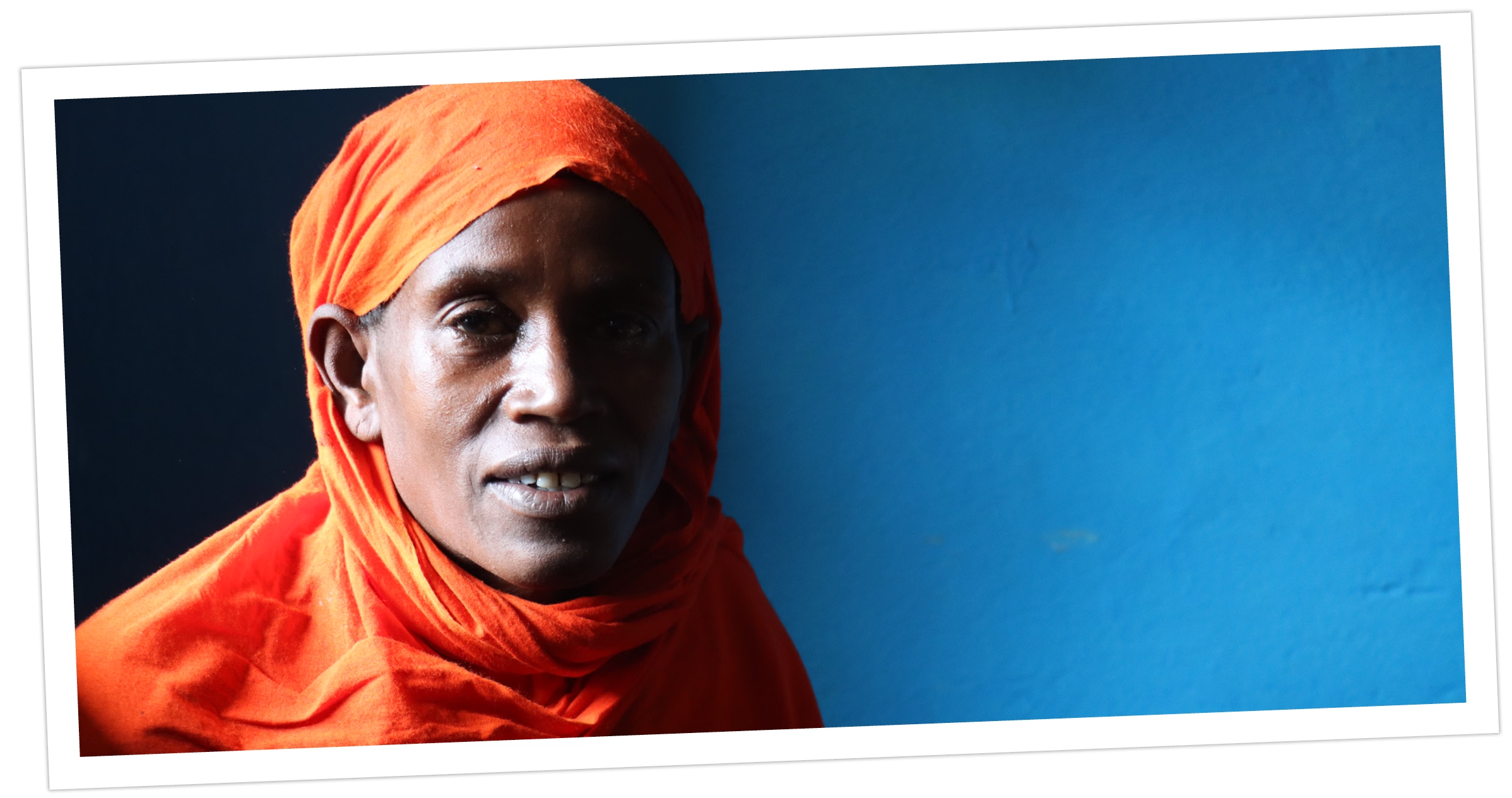
No woman should have to live with obstetric fistula.
Yet when labour is prolonged and obstructed, and timely, effective care is out of reach, this devastating childbirth injury can leave a woman with continuous leakage of urine, stool, or both.
This injury need not be inevitable. We know what it takes to stop it. The challenge is making sure every woman, wherever she lives, can access the care she needs. That is the purpose of Project Zero.
A preventable injury with lasting consequences
Obstetric fistula occurs when prolonged, obstructed labour causes an abnormal opening between the birth canal and the bladder or rectum. The consequences reach far beyond physical injury.
Women living with fistula may experience:
- pain and ongoing health problems
- stigma, shame and isolation, affecting family and economic life
- psychological distress and disruption to daily life
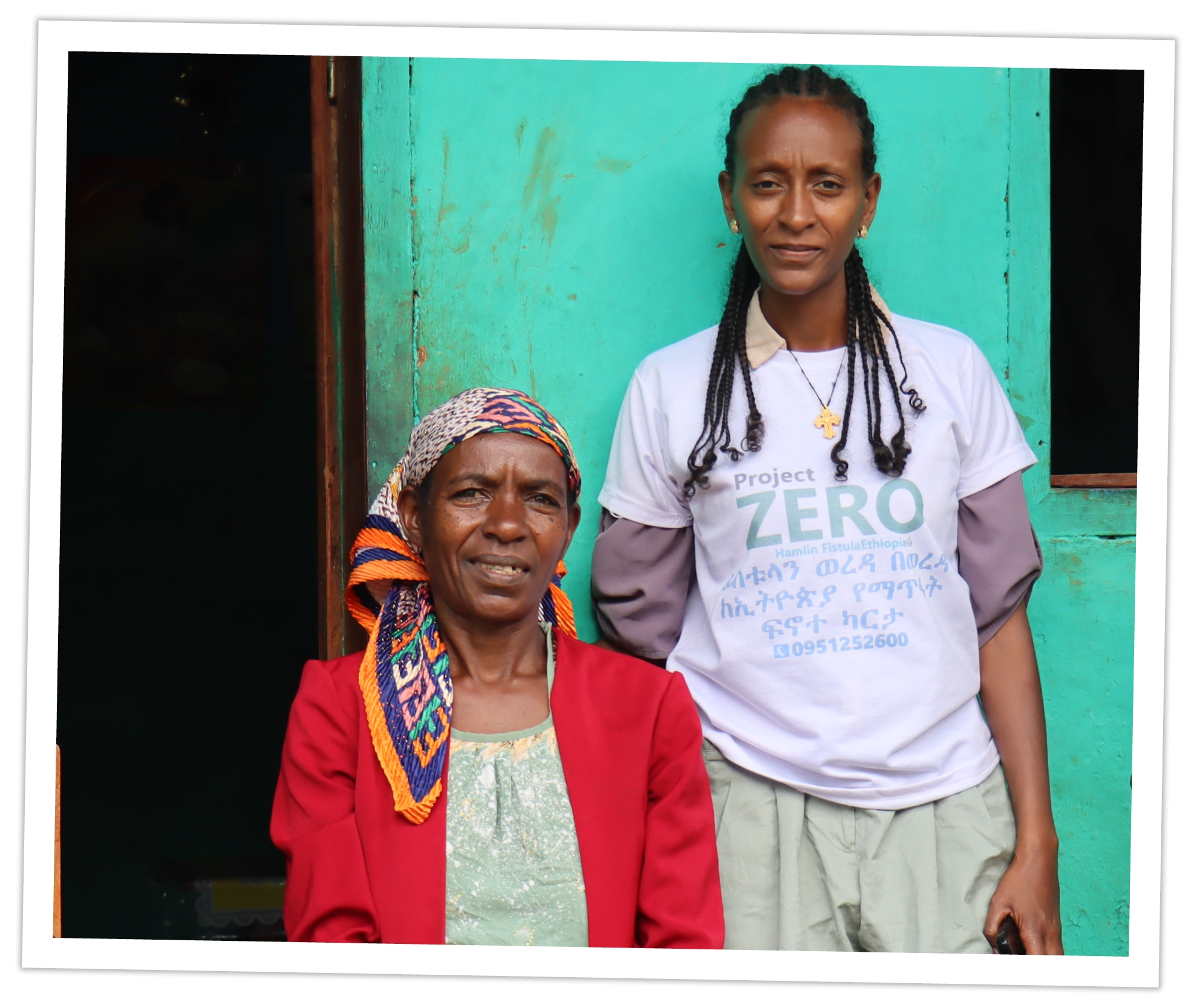
The risk rises when women cannot reach quality maternity care. Social factors, including early marriage and harmful traditional practices, can add to the dangers.
The prevalence of obstetric fistula also tells us something about the health system. Limited access to antenatal care and skilled birth attendance, delays in recognising complications or reaching emergency obstetric care, and gaps in staffing, infrastructure, referral and repair services can all stand between a woman and the care she needs. Preventing fistula means strengthening the whole pathway of maternal healthcare, from community awareness to emergency treatment.
Ethiopia has taken important steps to eradicate this devastating condition, but the problem remains. The country has developed national strategies and policies, including the National Strategic Plan for the Elimination of Obstetric Fistula 2021-2025. Awareness is raised each year around the International Day to End Obstetric Fistula on 23 May, and health extension workers, midwives and gynaecologists now receive training and on-the-job support.
Hamlin Fistula Ethiopia is also working to improve outcomes through its six hospitals, the Desta Mender rehabilitation and reintegration centre, and the Hamlin College of Midwives. In rural communities, Hamlin supports more than 90 government health clinics.
These efforts are vital. But national plans and training only prevent fistula when they translate into timely care on the ground: when women know where to seek help, health workers can recognise complications, and facilities are ready to respond.
A coordinated approach, district by district
Project Zero builds on the progress to date by linking community action with stronger maternal health services, woreda (district) by woreda. This ambitious national initiative moves through four phases:
- Prepare: select sites, assess needs, establish a baseline and agree on an improvement plan.
- Intensive action: raise awareness, visit households, identify women and refer them for care, while supporting health facilities.
- Consolidate: improve service quality, address remaining gaps and support local teams.
- Sustain and hand over: build local ownership, monitor progress and maintain improvements.
Community awareness, case identification and referral, facility readiness and mentorship run across each phase. Together, they help women and families understand the importance of maternal care, connect women with treatment, and improve local services so preventable injuries do not occur.
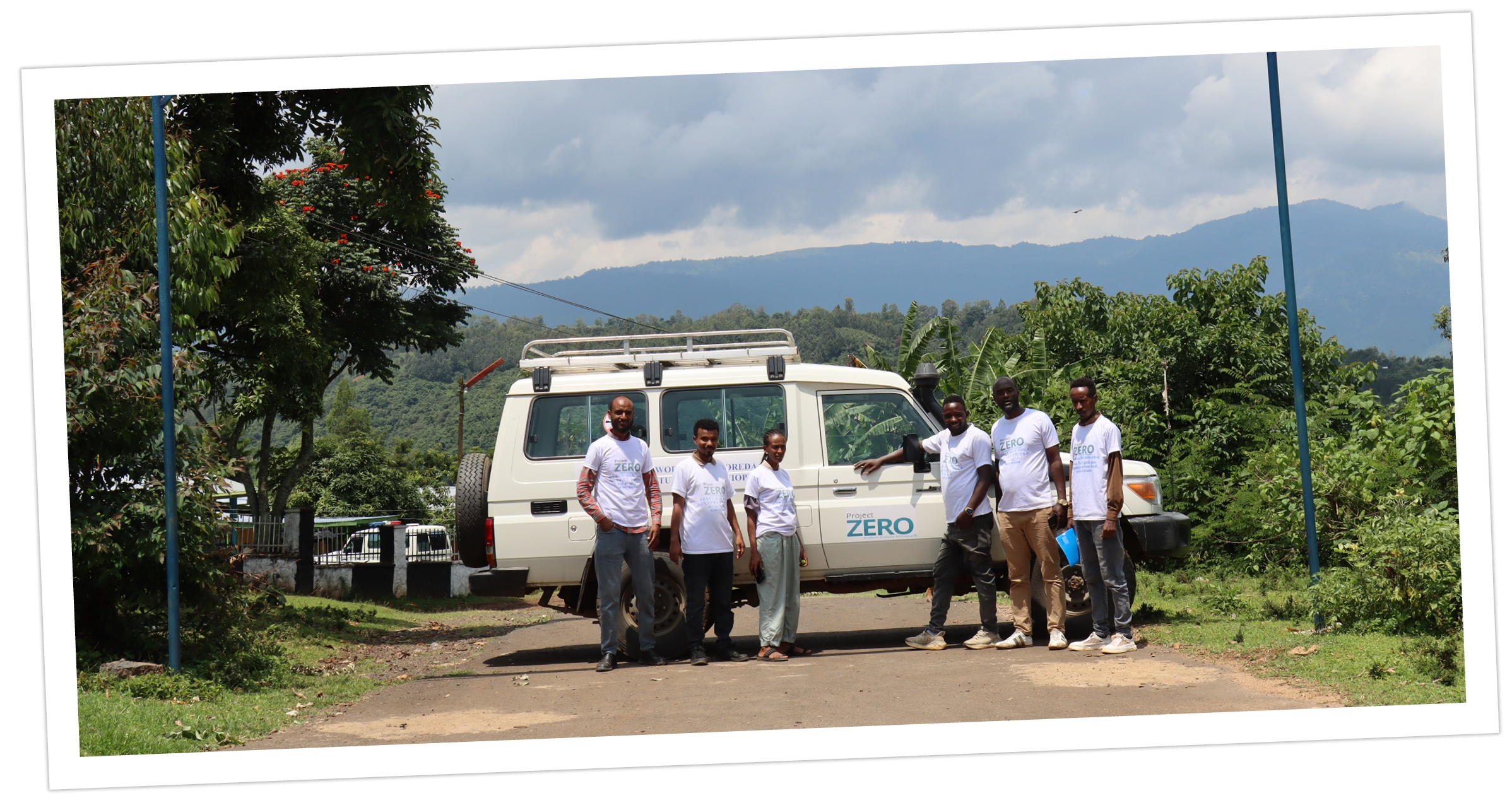
We will measure Project Zero’s progress against four clear targets:
- no untreated fistula cases
- at least 70 per cent compliance with Hamlin Standards
- community awareness of at least 75 per cent
- sustainable systems owned by each woreda, or district
The final target is essential. Lasting progress depends on local health systems being able to protect women and sustain improvements after intensive project support ends.
Taking the work to every woreda
The next challenge is to build on our successful pilots and develop a model that can reach all 1,000 woredas in Ethiopia.
Our four-year plan aims to strengthen maternal healthcare and build evidence across 30 woredas, requiring £2.78 million. From there, expanding Project Zero to the remaining 970 woredas would require an investment of £90 million. Hamlin would also need ongoing annual operating support of £6 million to maintain its treatment, prevention and rehabilitation services.
The investment is ambitious because the goal is national: to build the systems needed to prevent and treat obstetric fistula in every woreda and, ultimately, eradicate it for good across Ethiopia.
By 2036, our ambition is for every woreda to have a sustainable model to help prevent and treat obstetric fistula. That means communities able to recognise risk and seek care, health workers equipped to respond, facilities ready to manage complications, and local systems able to sustain progress.
We have the knowledge and the experience to make this possible. What is needed now is the commitment and investment to take this work further. We do not have to accept fistula as a consequence of childbirth.
By reaching more women earlier and strengthening the care around them, we can help prevent this injury and ensure women who need treatment are not left without it.
About the Author
Hanna Tesfaye
Hanna Tesfaye is a midwife, public health professional and PhD candidate with more than 10 years’ experience in clinical care, academia and health program leadership. As Project Manager for Project Zero at Hamlin Fistula Ethiopia, she leads program coordination and implementation, drawing on expertise in health workforce development, stakeholder engagement and health-system strengthening. Her research focuses on preventing obstetric fistula and improving maternal health services, with a commitment to translating evidence into lasting improvements for women and girls.



Catherine Hamlin Fistula Foundation acknowledges the Traditional Owners and Elders past, present and emerging throughout Australia and the Gadigal people of the Eora Nation, the Traditional Owners of the land and waterways on which our Australian office is situated. We acknowledge the many ethnic groups in Ethiopia and their ancestral and cultural connection to the land where our work is undertaken.