Obstetric fistula and mental health: healing beyond surgery
September 29, 2026
How does obstetric fistula affect mental health?
Obstetric fistula can have a profound effect on a woman’s mental health and wellbeing:
- Stigma and isolation: Women may be excluded from family and community life because of their incontinence and the resulting odour and can experience discrimination and rejection.
- Depression, anxiety and trauma: After an obstructed labour, women may experience severe emotional distress, including the grief of losing a baby, rejection by family members, and feelings of depression and hopelessness.
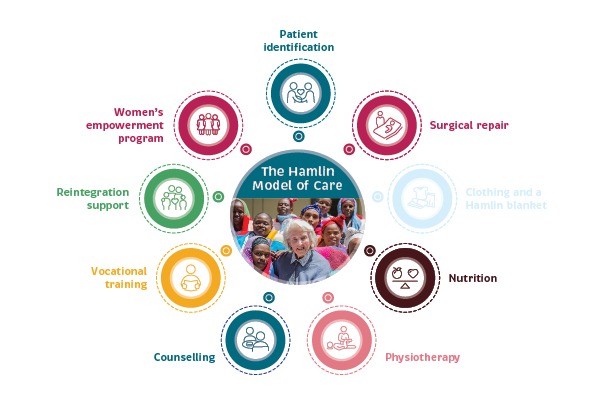
- Whole-person treatment: Hamlin Fistula Ethiopia’s Model of Care combines surgery with psychological support, physiotherapy, nutrition, rehabilitation, literacy learning and other services to help women recover and rebuild their lives.

World Mental Health Day is observed every year on 10 October, raising awareness of mental health issues around the world and encouraging action to improve access to care and reduce stigma.
This year’s theme — Lived experiences heard: real voices, real change — highlights the importance of listening to people’s individual experiences of mental health. This same principle sits at the heart of the Hamlin Model of Care, where every woman is treated according to her personal needs and experiences.
The psychological toll of obstetric fistula
For women living with obstetric fistula, the consequences of this devastating childbirth injury can extend far beyond its physical symptoms.
Obstetric fistula is caused by prolonged, obstructed labour without timely medical intervention. It can leave a woman permanently incontinent of urine or faeces — and sometimes both.
Without an understanding of the condition and its causes, women can be blamed for their injury or subjected to discrimination. Survivors may face severe social stigma because of odour, perceptions of uncleanliness, mistaken assumptions about sexually transmitted disease and, in some cases, infertility.
The physical discomfort and loss of control over bodily functions can be accompanied by shame, anxiety, low self-esteem and intense loneliness. Many women have also experienced a traumatic labour, often combined with the loss of their baby.
Social rejection can deepen this distress. Women may withdraw from family and community life, lose their independence and experience depression or other mental health conditions.
Listening to women’s lived experience
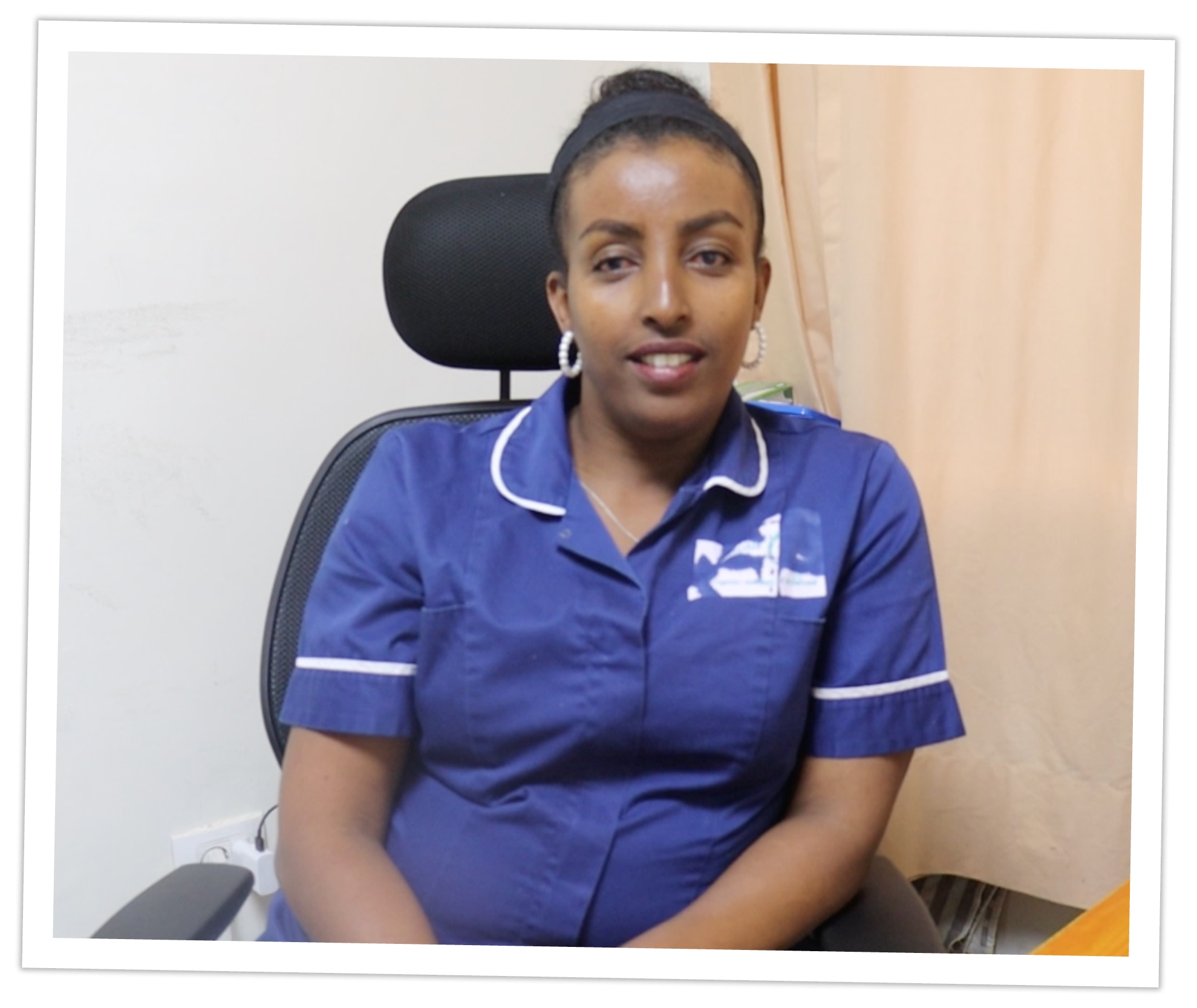
Sister Serkalem, the resident psychologist at Hamlin's Addis Ababa Fistula Hospital, says addressing women’s mental health is a vital part of recovery after years of emotional and psychological trauma.
She explains: “Obstetric fistula is one of the most predisposing factors for mental illness. Stigma and discrimination play the biggest role for mental illness for fistula patients.
“Hamlin Fistula Ethiopia supports these women by assessing their symptoms, giving psychotherapy and offering medication, as needed.”
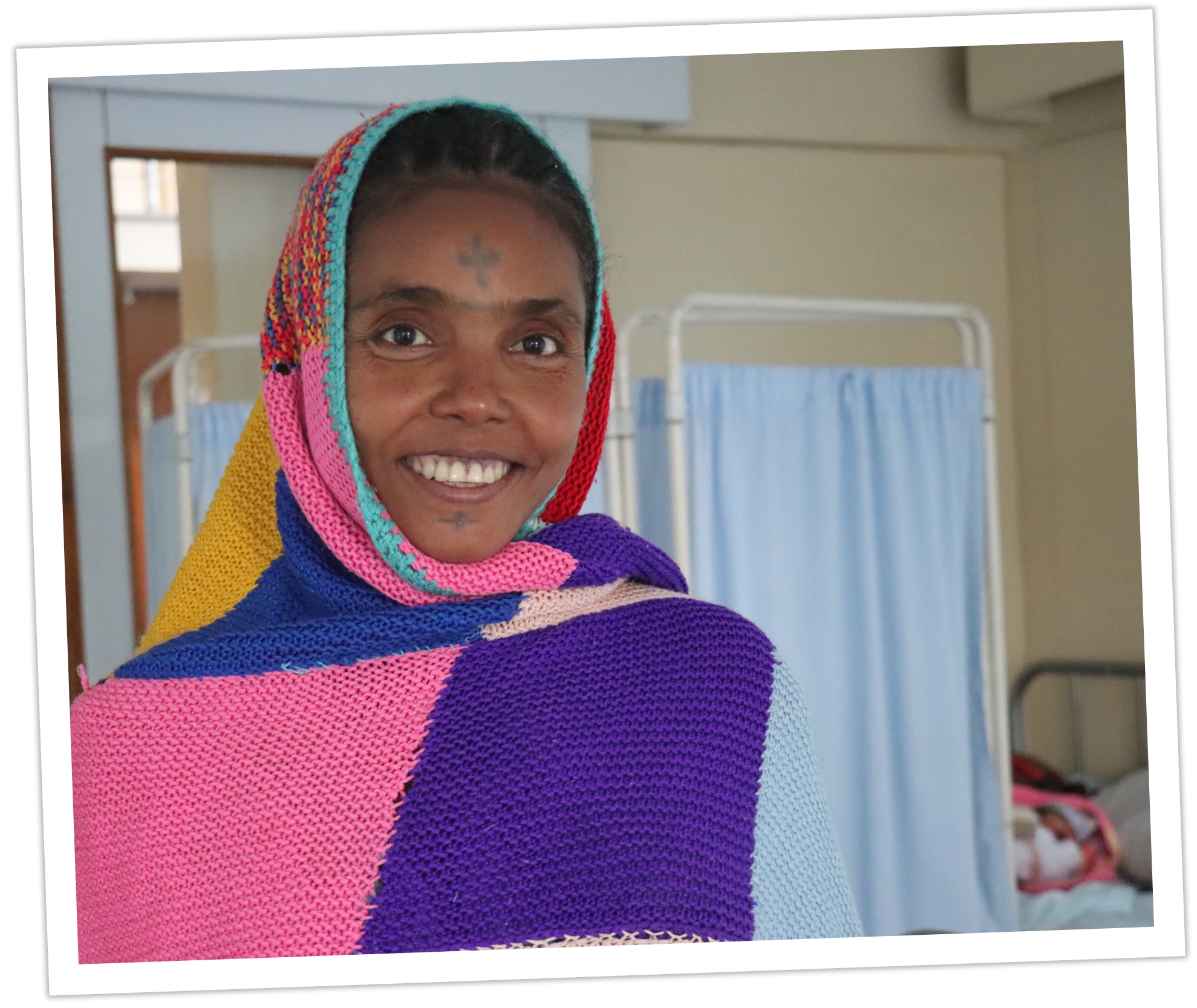
Gide understands the emotional impacts only too well. She explains: “Living with the fistula was incredibly difficult and heartbreaking. Not only did I lose my child, but my husband abandoned me, and we divorced immediately after it happened.”
Like so many women in rural Ethiopia, she had little understanding of her condition.
Unable to bear the shame and isolation any longer, Gide sought help from a doctor, who referred her to Hamlin’s Addis Ababa Fistula Hospital. “Arriving at this place healed my mind even before my body was treated, because seeing other women made me realise I was not alone.”
For women arriving at Hamlin Fistula Ethiopia, treatment involves much more than repairing the fistula. Understanding what each woman has experienced — physically, emotionally and socially — helps shape the care she receives.

I didn’t even know such a problem could exist. I truly believed it had only happened to me, and I spent my days and nights crying while local people gossiped about me as if my condition were a taboo or a disgrace.
- Gide
A holistic approach to treatment
Obstetric fistula affects every part of a woman’s life. The Hamlin Model of Care is a compassionate, holistic approach that treats each woman as a whole person, with dignity and respect.
Surgery is an essential part of recovery, but it is only one component of care. Hamlin’s approach also includes psychological support, physiotherapy, nutrition, rehabilitation and, where needed, literacy learning and support to regain independence and return to community life.
For women living with obstetric fistula, recovery can mean restoring much more than continence. It can mean rebuilding confidence, reconnecting with others and regaining a sense of possibility for the future.
By listening to each woman’s lived experience and responding to her individual needs, the Hamlin Model of Care supports recovery in every sense.
When I heard from the health professionals that I would go to Addis Ababa and get cured, I was so happy.
- Tesfanesh, former fistula patient


Catherine Hamlin Fistula Foundation acknowledges the Traditional Owners and Elders past, present and emerging throughout Australia and the Gadigal people of the Eora Nation, the Traditional Owners of the land and waterways on which our Australian office is situated. We acknowledge the many ethnic groups in Ethiopia and their ancestral and cultural connection to the land where our work is undertaken.