How do we select students for the Hamlin College of Midwives?
November 22, 2026
At a glance
- For its Bachelor of Science in Midwifery, the Hamlin College of Midwives recruits candidates across Ethiopia in partnership with regional health offices.
- Applicants’ academic documents are screened and eligible candidates sit a written exam. Individuals who pass are then invited for a formal interview.
- Successful applicants become full-time students at the Hamlin College of Midwives, where they receive full scholarships and commit to serving for at least three years in a rural community after graduating.
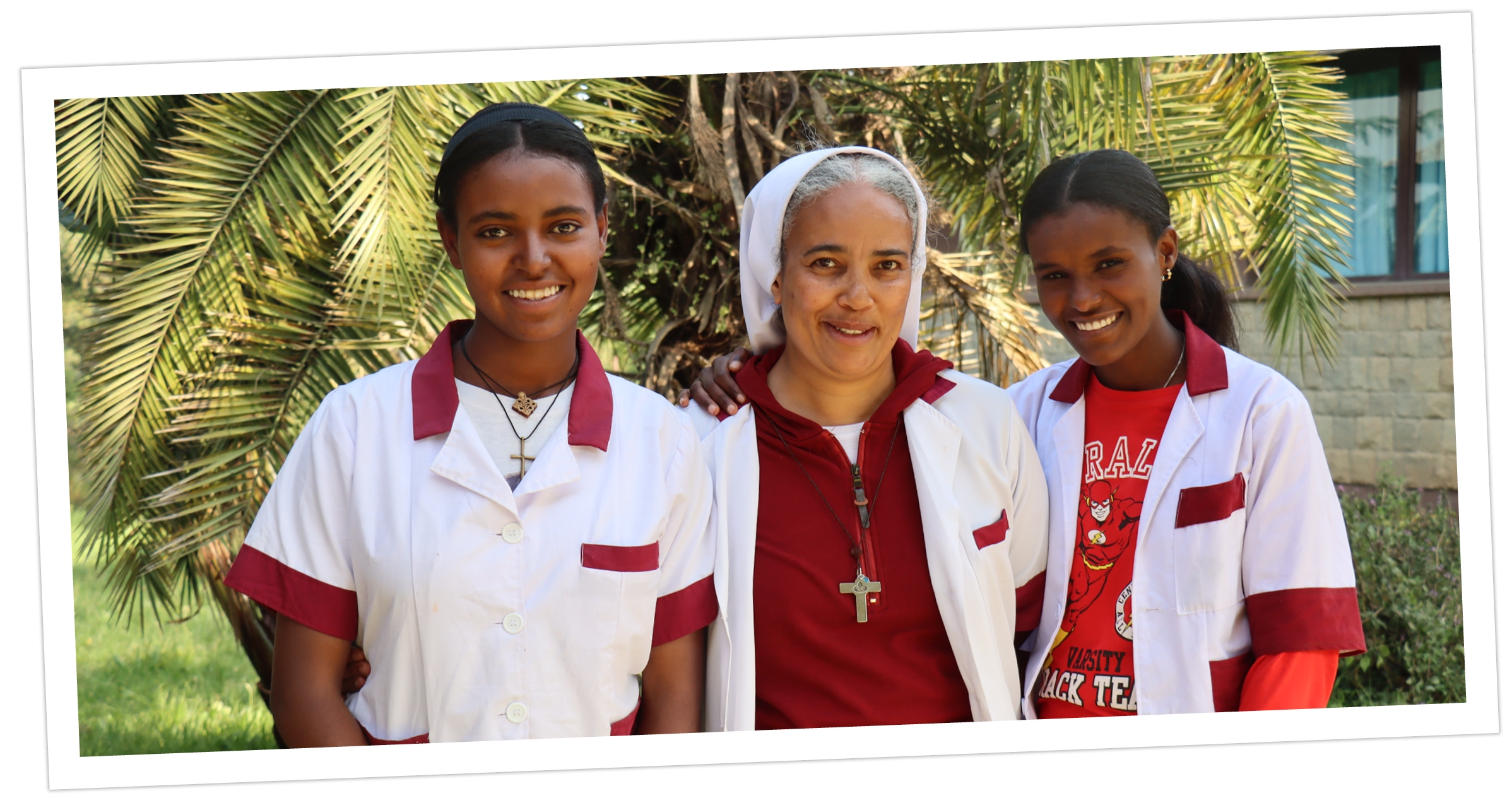
The Hamlin College of Midwives’ admissions process aims to recruit students who are motivated to build a career in maternal and newborn health – and take their skills to rural and remote communities where skilled care is urgently needed.
To reach candidates across Ethiopia, College staff partner with regional health departments and local health officials. Before the Hamlin team arrives, regional health staff share recruitment announcements with high schools across their districts. The team then works with local health offices to assess applicants.
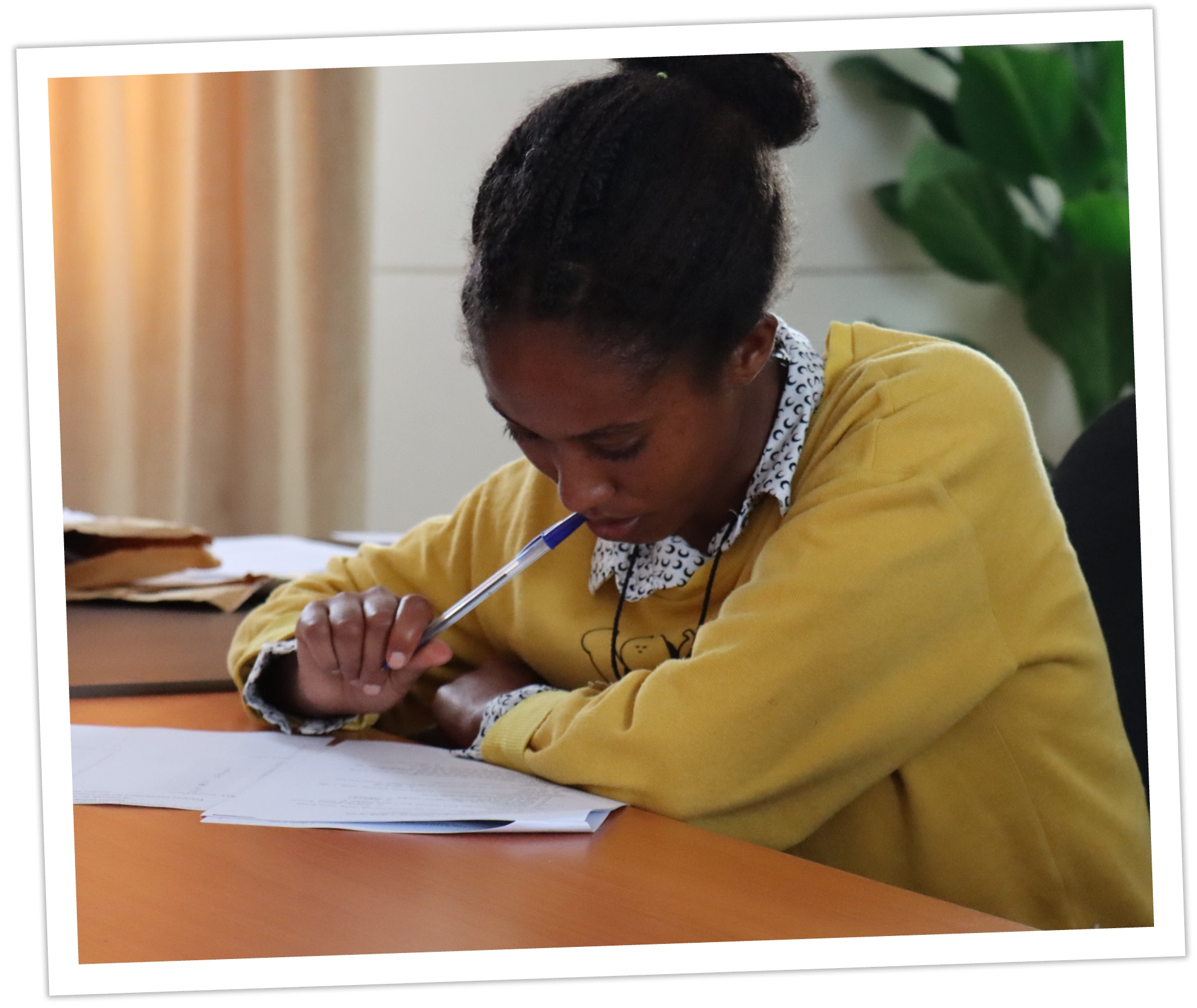
Recruitment across the country
The selection process has several stages:
- Document screening: Staff check candidates’ academic documents against the College’s entry requirements.
- Written exam: Candidates who meet the requirements sit an entrance examination.
- Oral interview: Candidates who pass the exam are interviewed about their language proficiency, confidence and motivation to become midwives.
- Final evaluation: The selection committee considers exam and interview results together to decide who is offered a place.
Successful applicants receive a full scholarship covering tuition and living costs while they study at the College.
Training midwives for rural communities
Selecting students from across all regions helps build a skilled midwifery workforce for communities beyond Ethiopia’s major towns and cities. Bachelor of Science students commit to serving in a rural community for at least three years after graduation.
“With countries around the world competing for skilled healthcare professionals, this approach helps ensure our investment in midwifery education benefits the communities where the need is greatest,” says Anteneh Dirar, Dean of the Hamlin College of Midwives.
After graduating, each midwife is deployed to a government rural health clinic supported by Hamlin. Hamlin currently supports more than 90 centres, providing medical equipment and addressing other needs, such as access to clean water.
The College also runs a mentoring program, connecting new graduates with experienced midwives who provide clinical guidance, encouragement and professional support.
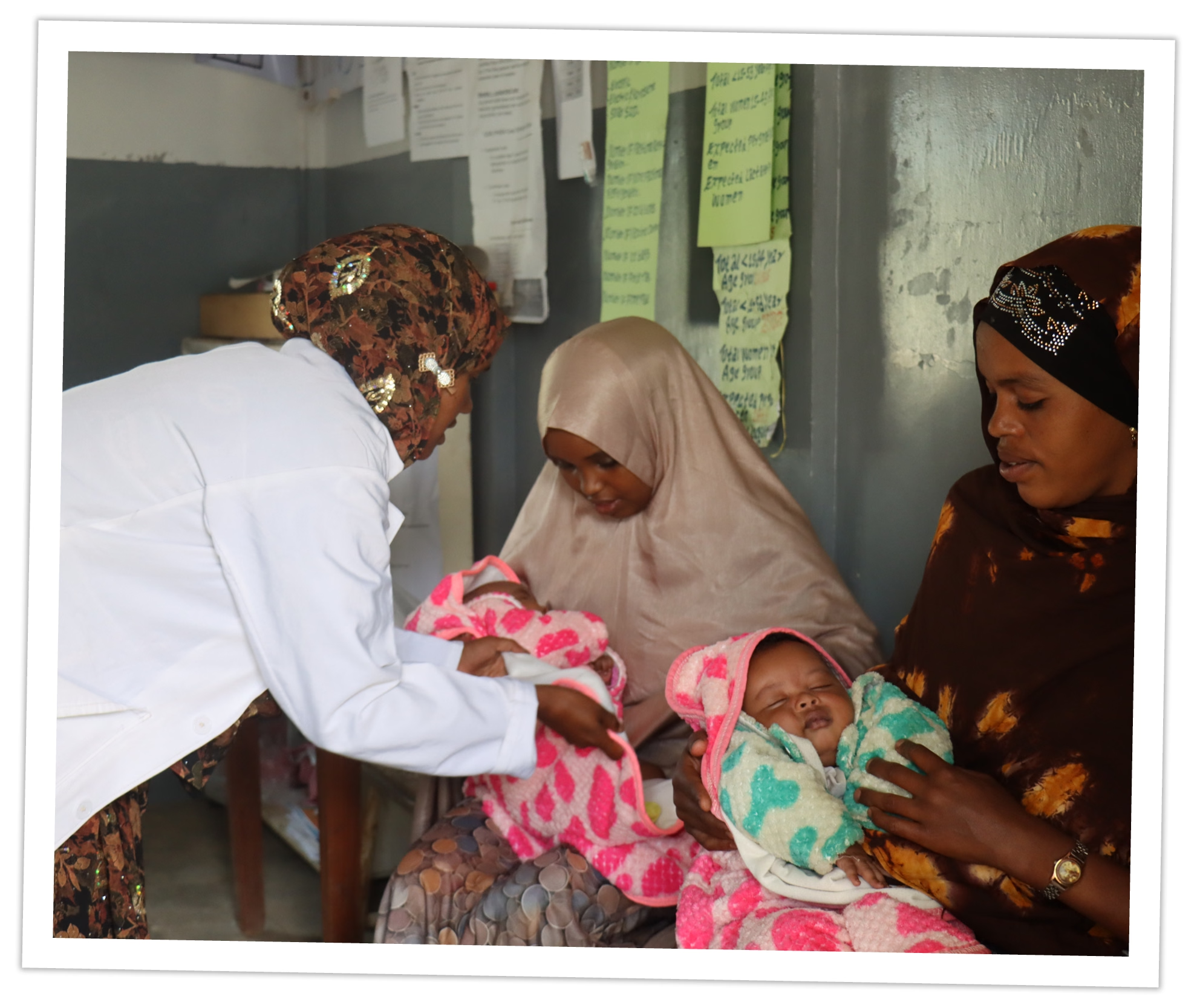
The urgent need for more midwives
In Ethiopia, women in rural communities can face significant barriers to accessing skilled care during pregnancy and childbirth. An estimated 1,000 women develop obstetric fistula each year, and around 90 per cent of these women also lose their baby.
Dr Anteneh says Ethiopia has approximately 10 midwives or nurses for every 10,000 people, compared to 144 in Australia. “There is also a critical shortage of doctors, particularly in rural communities. We cannot address these shortages overnight, but expanding the skilled midwifery workforce is one of the most effective ways to close the maternal healthcare gap.”
Since 2007, 294 Hamlin midwives have graduated from the College. Its curriculum meets the standards of the International Confederation of Midwives, including the requirement that students conduct at least 40 deliveries before graduating.
Meet our newest midwifery students
Put more mothers in safe hands
For too many women in Ethiopia, skilled care is still too far away.
As a result, they are at great risk of losing their babies and suffering devastating childbirth injuries, including obstetric fistula.
With your support, more Hamlin Midwives can be trained to bring life-saving care to mothers across the country.


Catherine Hamlin Fistula Foundation acknowledges the Traditional Owners and Elders past, present and emerging throughout Australia and the Gadigal people of the Eora Nation, the Traditional Owners of the land and waterways on which our Australian office is situated. We acknowledge the many ethnic groups in Ethiopia and their ancestral and cultural connection to the land where our work is undertaken.