Found through Project Zero: Ketinin’s story of healing
August 13, 2026
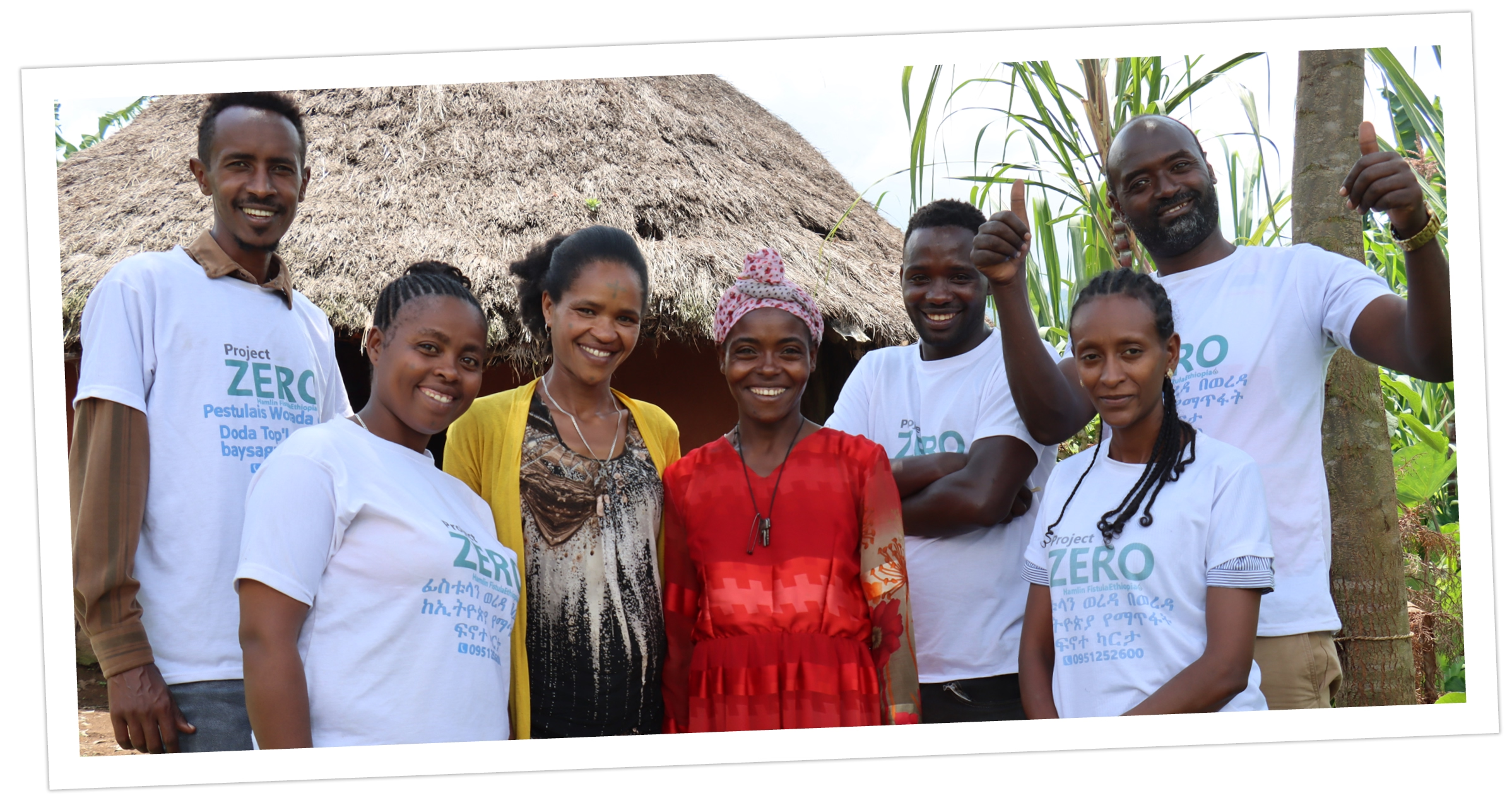
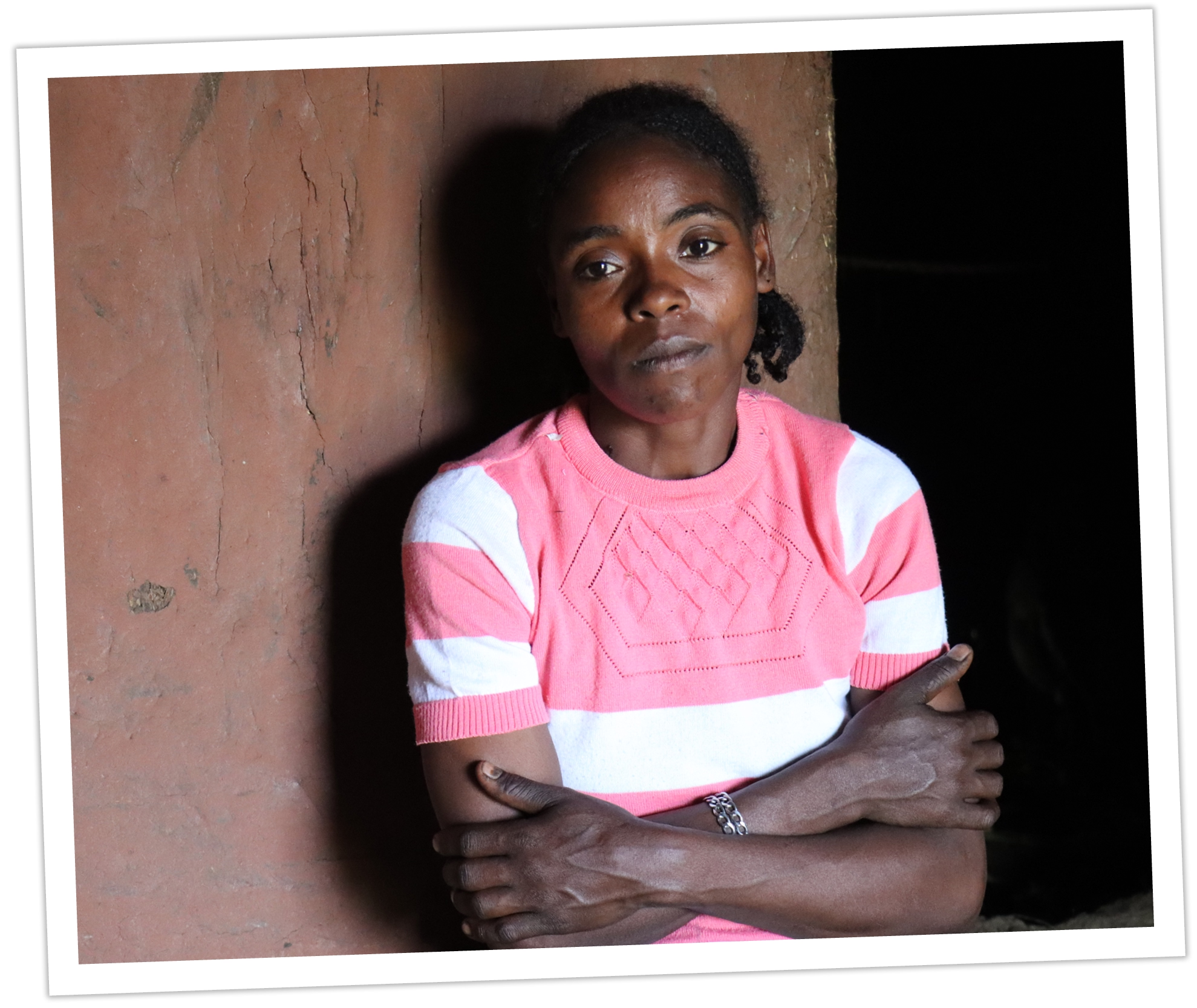
For 17 years, Ketinin lived with the devastating consequences of obstetric fistula. She stayed inside her home, isolated by incontinence, grief and shame.
Today, after being found through Project Zero and referred to Hamlin’s Metu Fistula Hospital, her life has been transformed.
Years of suffering in silence
Ketinin remembers that the incontinence began after her first pregnancy. She had been in labour for three days before her family took her to the local hospital, where she underwent surgery. Her baby was stillborn.
She later became pregnant again, but tragically lost her second child too. The incontinence remained.
“I couldn’t even go to the market in the area,” Ketinin says. “I didn’t go out to wash clothes or to make coffee. I didn’t leave the house. I stayed inside, hiding.”
Her shame was unbearable. “Because people in the neighbourhood were talking, and I kept hearing them talk about me, I stayed inside the house, hurt by those feelings.”
This became Ketinin’s life for the next 17 years.
She did not know that free treatment was available at Hamlin’s fistula hospitals.
A new chapter for Ketinin
When all hope seemed lost, visitors arrived at Ketinin’s home.
“The Health Extension Workers found me by searching in the neighbourhood,” she says. “They came all the way to my house.”
Ketinin was found through Project Zero, Hamlin Fistula Ethiopia’s ambitious national program to accelerate progress towards an end to obstetric fistula in Ethiopia. Ketinin’s visitors were members of the team operating in Semen Bench woreda.
Project Zero does not wait for women to find help. Working woreda (district) by woreda, Hamlin-trained teams go door-to-door to find women living with untreated childbirth injuries, connect them to life-changing care, strengthen rural maternal healthcare and help make safer childbirth possible.
For Ketinin, being found was the first step towards healing.
Life-changing care at Metu
Ketinin was referred to Hamlin’s Metu Fistula Hospital, and transport was arranged for her journey.
“After I arrived, I met many other women who were in the same condition as me,” she says. “The professionals there comforted us, and seeing the others gave me comfort as well. The fear I had earlier faded away.”
At the hospital, Ketinin received clean bedding, new clothes, nourishing meals and access to hot showers for daily washing. After years of isolation, she felt safe and cared for.
“The food too — it was food that we wouldn’t even get to eat at home,” she says. “I stayed there for 47 days, and nothing was lacking for me. In fact, what I received there was even better than what I have at home.”
Ketinin’s surgery was successful. After almost two decades, she was finally cured. “The urinary incontinence stopped completely.”
Returning home with dignity
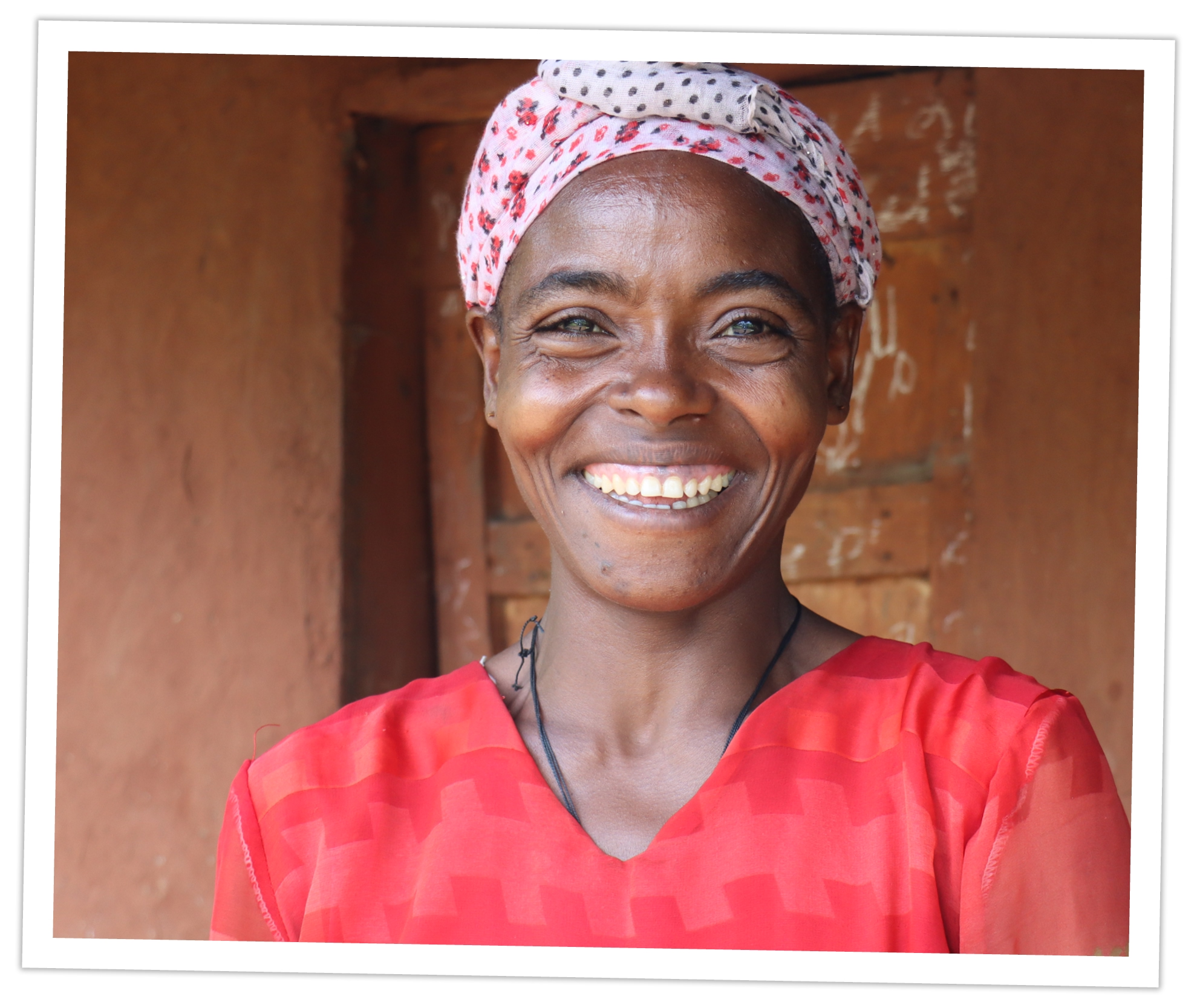
Ketinin has now returned home, leaving her shame behind.
“Because of that illness, I used to lock my door and live in total isolation and sadness,” she says. “Now I have returned and started a good life. I go to church freely.”
Today, Ketinin is also helping other women understand that treatment is possible. “If there are people with similar problems, I am teaching them that they can get treated too,” she says.
“At church and in the neighbourhood at gatherings, I am testifying that I was ill like this, that those who have urinary incontinence can get treated for free, and that I have been completely healed.”
Ketinin’s story shows why Project Zero matters. When women living with untreated fistula are found, treated and supported, the impact extends far beyond surgery — restoring dignity, rebuilding confidence and helping women return to their communities with hope.


Catherine Hamlin Fistula Foundation acknowledges the Traditional Owners and Elders past, present and emerging throughout Australia and the Gadigal people of the Eora Nation, the Traditional Owners of the land and waterways on which our Australian office is situated. We acknowledge the many ethnic groups in Ethiopia and their ancestral and cultural connection to the land where our work is undertaken.