How can I leave a gift in my Will?
August 25, 2026
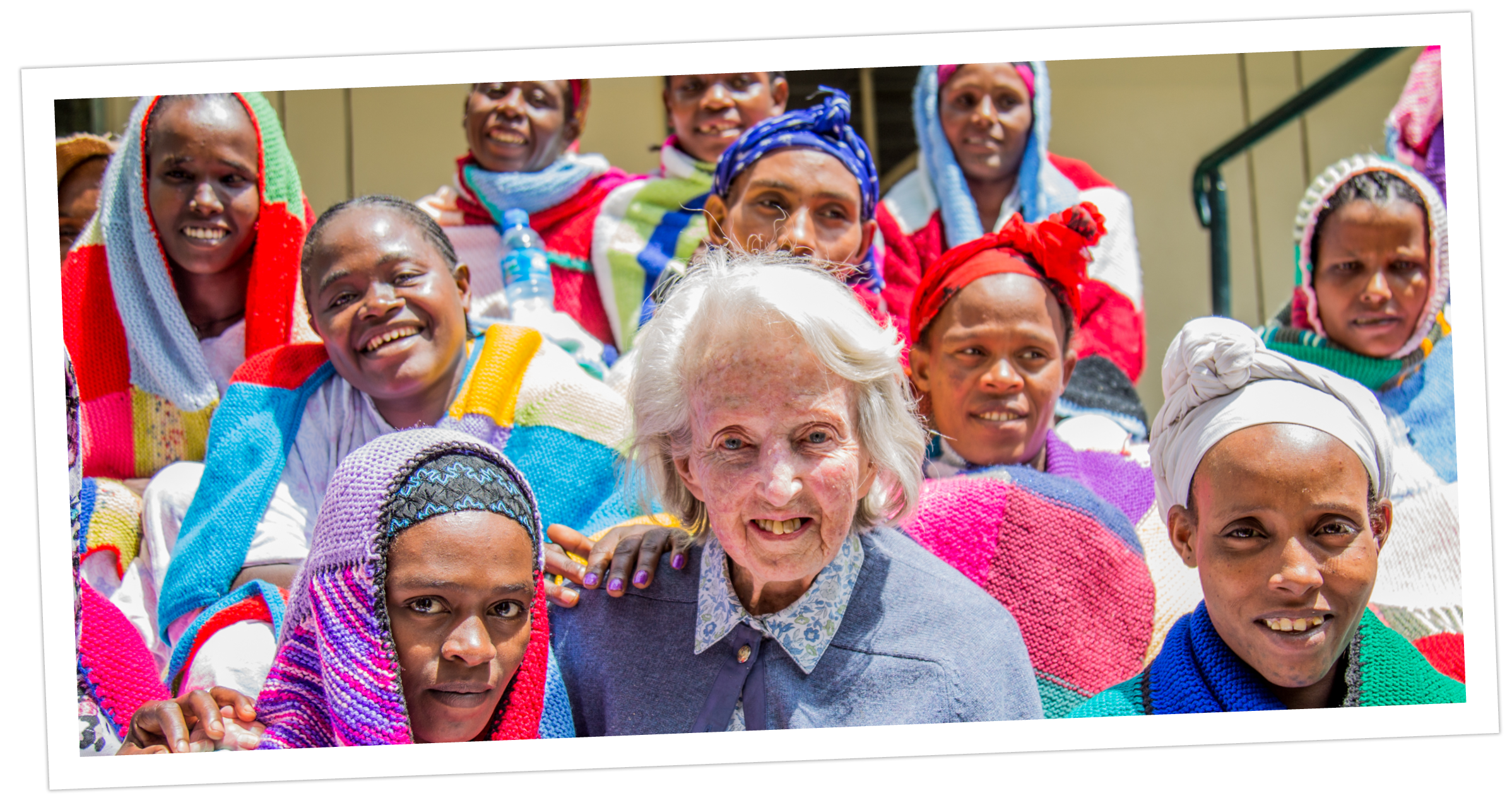
Leaving a gift to charity in your Will is a meaningful way to make a lasting difference for future generations. Each September, Include a Charity Week encourages Australians to consider supporting a cause that matters to them through a gift in their Will.
At Catherine Hamlin Fistula Foundation, these gifts help ensure Dr Catherine Hamlin’s legacy continues — restoring the health and dignity of women living with obstetric fistula and other childbirth injuries, while helping make childbirth safer for women across Ethiopia.

What is a gift in a Will?
A gift in your Will, also known as a bequest, is a gift you choose to leave to a person or organisation as part of your estate. You can include a gift to Catherine Hamlin Fistula Foundation while still ensuring that your family and loved ones come first.

What types of gifts can I leave?
There are several ways to include a charitable gift in your Will. You may choose to leave a percentage of your estate, a specific sum of money, or a particular asset, such as shares or property.

Do I need to leave a large gift?
Most workplace giving programs offer a list of charities employees can support, and in some cases, staff can suggest additional organisations. To be included, a charity generally needs to have Deductible Gift Recipient (DGR) status with the Australian Taxation Office.

How do I include Catherine Hamlin Fistula Foundation in my Will?
If you are preparing or updating your Will, we recommend speaking with a solicitor or other qualified legal professional. They can help you choose the type of gift that best suits your circumstances and ensure it is recorded correctly. We have also partnered with Every Will to offer our supporters a free Will-writing service. There is no obligation to include a gift to Catherine Hamlin Fistula Foundation. Our team can also provide suggested wording and the details needed to include us in your Will: get in touch and we can provide you with a copy of our Gifts in Will Guide.

Do I need to make a new Will to add a gift??
Workplace giving often forms part of a broader corporate social responsibility program. Some employers offer paid volunteering leave so staff can donate their time to not-for-profit organisations. Others choose to match employee donations, increasing the impact of every gift.

Can I choose how my gift will be used?
Some supporters have a particular area of Hamlin Fistula Ethiopia’s work that is especially meaningful to them, such as fistula treatment, rehabilitation and women’s empowerment, or the training and deployment of Hamlin Midwives. If you would like your gift directed to a particular area, we encourage you to speak with us before finalising your Will. This can help ensure your gift can be used as intended, even as programs and needs change over time. You may also choose to leave your gift unrestricted, allowing it to be directed to the area of greatest need.

Should I tell you that I have included Catherine Hamlin Fistula Foundation in my Will?
If your employer offers workplace giving, you can usually sign up through your HR or payroll team. They can explain how the program works, which charities are included and how to nominate your preferred donation amount.

Can I change my mind later?
Yes. You can update your Will if your circumstances or intentions change. We recommend seeking professional legal advice whenever you make changes.
What difference could my gift make?
For more than 67 years, Hamlin Fistula Ethiopia has provided specialist treatment and holistic care for women with obstetric fistula and other childbirth injuries. A gift in your Will can provide long-term stability and help sustain this work — supporting life-changing treatment and rehabilitation, training the next generation of Hamlin Midwives, strengthening maternal healthcare and reaching women who might otherwise remain without care.

Where can I find out more?
We can provide a free guide explaining how to include Catherine Hamlin Fistula Foundation in your Will, including suggested wording to discuss with your solicitor. If you would prefer to speak with someone, please call our friendly team on 02 9440 7001 or email wills@hamlin.org.au. There is no obligation — we are simply here to answer your questions and provide the information you need.
For more than 67 years, Hamlin Fistula Ethiopia has provided specialist treatment and holistic care for women with obstetric fistula and other childbirth injuries. A gift in your Will can provide long-term stability and help sustain this work — supporting life-changing treatment and rehabilitation, training the next generation of Hamlin Midwives, strengthening maternal healthcare and reaching women who might otherwise remain without care..
Thank you.
When I heard from the health professionals that I would go to Addis Ababa and get cured, I was so happy.
- Tesfanesh, former fistula patient


Catherine Hamlin Fistula Foundation acknowledges the Traditional Owners and Elders past, present and emerging throughout Australia and the Gadigal people of the Eora Nation, the Traditional Owners of the land and waterways on which our Australian office is situated. We acknowledge the many ethnic groups in Ethiopia and their ancestral and cultural connection to the land where our work is undertaken.