International Women's Day
March 01, 2024
This year’s International Women’s Day theme is ‘accelerate action’. Sister Konjit Kassahun, Project Zero and Prevention Manager at Hamlin Fistula Ethiopia, is doing just that.
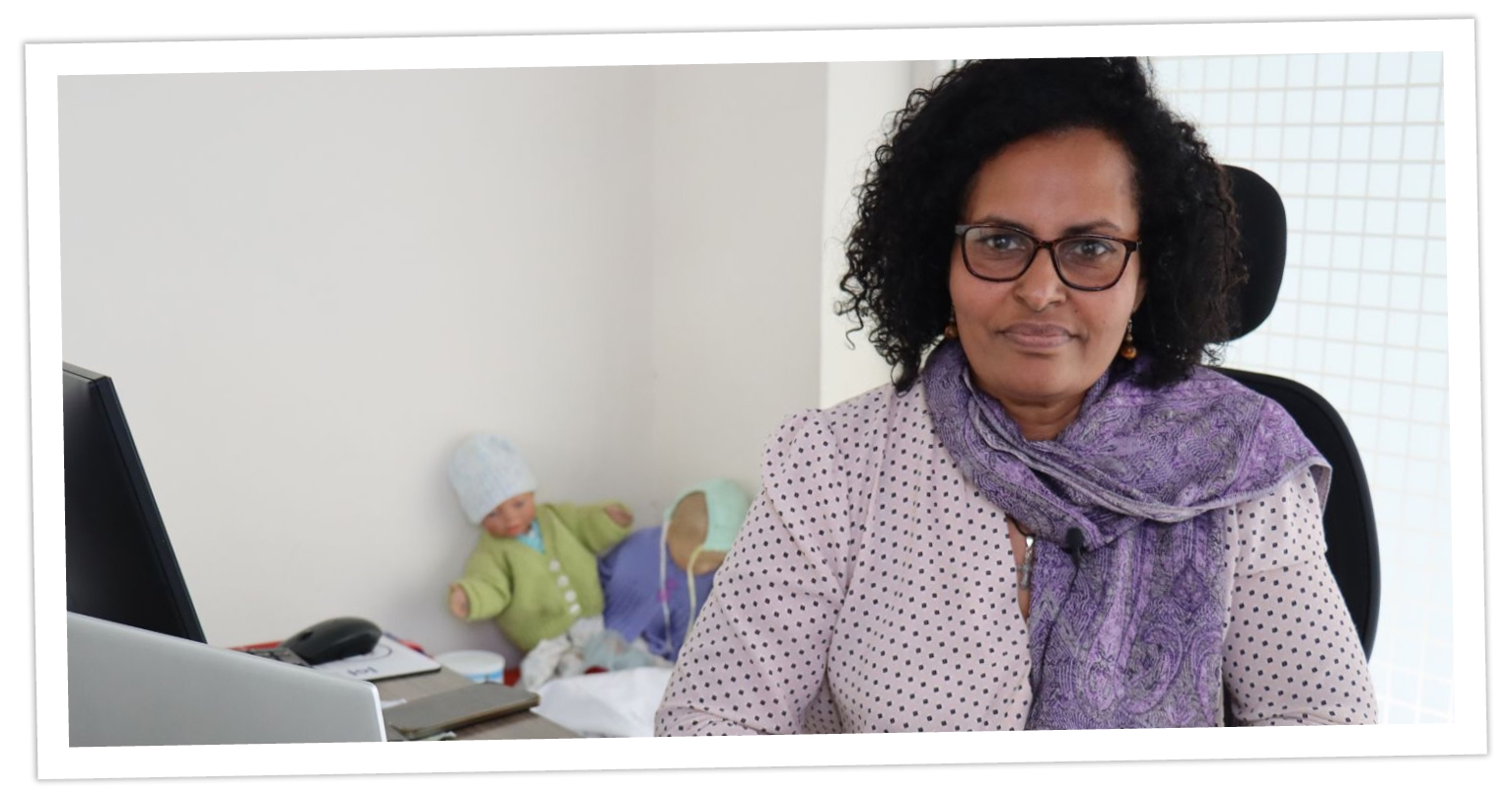
For Sister Konjit, prevention is key to ending obstetric fistula in Ethiopia.
That starts with ensuring every woman in a rural community can access quality maternal healthcare in reach of their homes and communities.
Barriers to healthcare
Many women in Ethiopia face significant barriers to getting the care they need before and after their baby is born. Sister Konjit explains: “For some, it is the long distances to reach a health centre. Or maybe there is no proper road to travel on.

Social and cultural barriers also pose a challenge. Husbands and other family members might discourage women from accessing health care due to cultural beliefs.
Sister Konjit
Improving rural clinics
Sister Konjit is determined, however, to make inroads on these obstacles, with a focus on increasing the availability of professional care in some of the most hard to reach parts of the country.
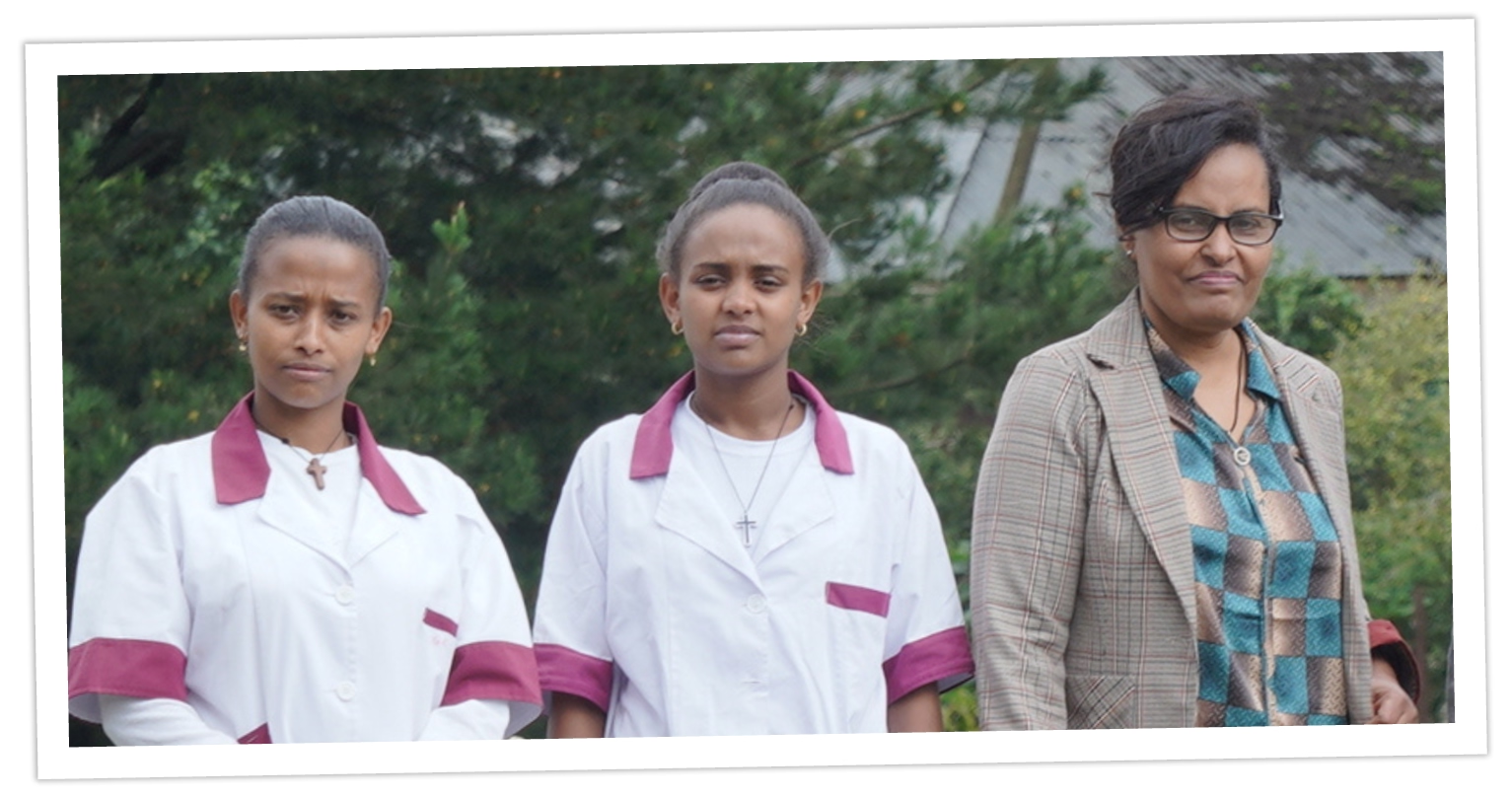
“Hamlin Fistula Ethiopia is deploying highly qualified Hamlin-trained midwives across Ethiopia. We are supporting over 90 rural health centres, each of which has a Hamlin midwife to provide pre and postnatal maternal healthcare,” says Sister Konjit.
“We also ensure that each clinic is stocked with essential supplies, including medicines, sterilisation equipment and infant radiant warmers for newborns, and that the environment itself is welcoming, by renovating and improving delivery rooms.”
Working in some of the most remote regions, electricity is not always available. Hamlin’s partnership with Greenlamp is working to overcome this by installing solar power, so that mothers can safely deliver birth at night.
The importance of antenatal care
Encouraging mothers to get health checks before they give birth is a priority for Sister Konjit. She explains why: “According to the World Health Organisation recommendations, a woman should have at least eight antenatal visits before her due date. This is crucial to preventing complications during delivery.”
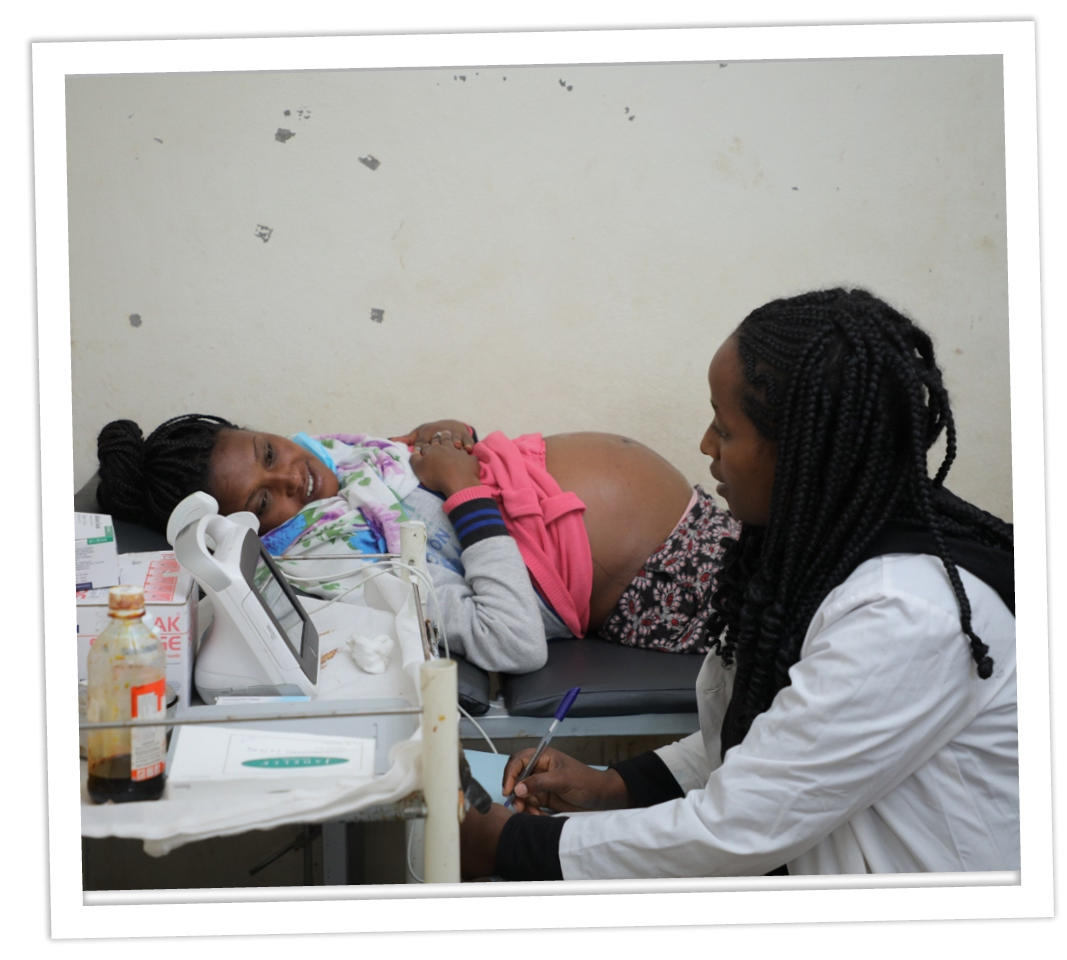
Pregnancy related complications, such as hypertension, can be prevented and treated during antenatal care. Sister Konjit adds: “It is also possible to check for any congenital or other abnormalities in the baby.” Hamlin midwives offer ultrasound scanning as a free service to all women attending a rural clinic.
Care after delivery
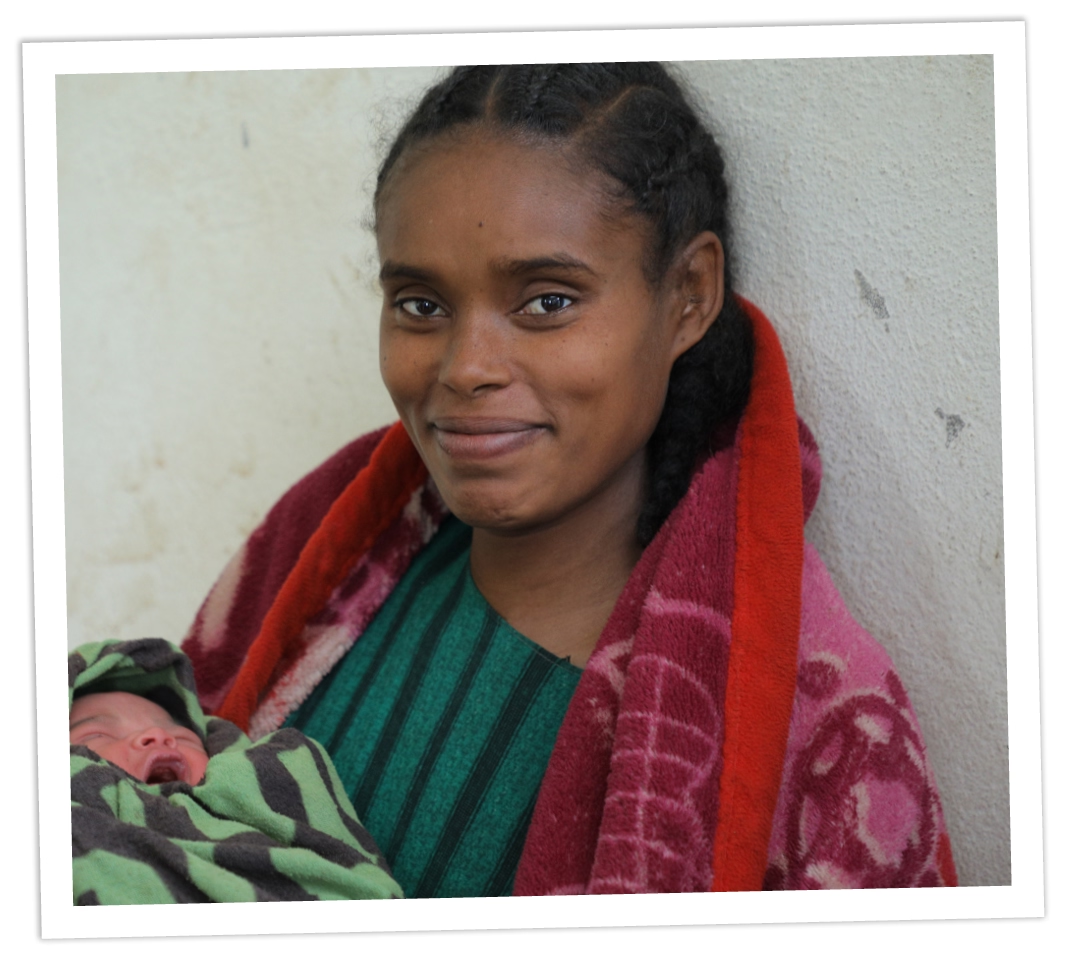
Postnatal or postpartum care is essential for both mothers and babies, as it allows healthcare professionals to identify and treat any issues.
“Mothers can have vaginal bleeding or a discharge, which can indicate sepsis, and is one of the most common causes of maternal mortality. We can also check the baby for any abnormalities. Postnatal care is also a time when we can teach mothers how to breastfeed, and help them understand the importance of childhood vaccinations,” explains Sister Konjit.
There are other critical issues to discuss, notes Sister Konjit. “We can counsel women on immediate family planning options after delivery so that she can space her children. Mothers can also be monitored for any signs of postnatal depression.”
The urgent need for maternal healthcare
Both prenatal and postnatal care are crucial for mothers and their babies. Sister Konjit’s commitment and action to expand maternal care in Ethiopia is saving lives, but she adds: “We need more skilled birth attendants to perform all of these activities. That’s why we are so thankful for the generosity and commitment shown by our many donors around the globe.”
You can support Sister Konjit and the team at Hamlin Fistula Ethiopia by giving a donation today. The team are working hard to treat women living with horrific childbirth injuries, while also preventing a new generation of women from the same suffering.


Catherine Hamlin Fistula Foundation acknowledges the Traditional Owners and Elders past, present and emerging throughout Australia and the Gadigal people of the Eora Nation, the Traditional Owners of the land and waterways on which our Australian office is situated. We acknowledge the many ethnic groups in Ethiopia and their ancestral and cultural connection to the land where our work is undertaken.