International Coffee Day: celebrating Ethiopia’s coffee heritage and its growers
September 02, 2026
International Coffee Day is celebrated around the world on 1 October. It is an opportunity to reflect on the original story of coffee, celebrate the people who grow it, and reflect on the journey each coffee bean makes from farm to cup.
In Ethiopia:
- Coffee farming provides an important source of income for millions of people.
- Traditional coffee ceremonies are a symbol of hospitality, friendship and respect.
- Ethiopia is widely recognised as the birthplace of coffee.
The expression “Buna dabo naw” means “Coffee is our bread”, reflecting its importance to Ethiopian life.
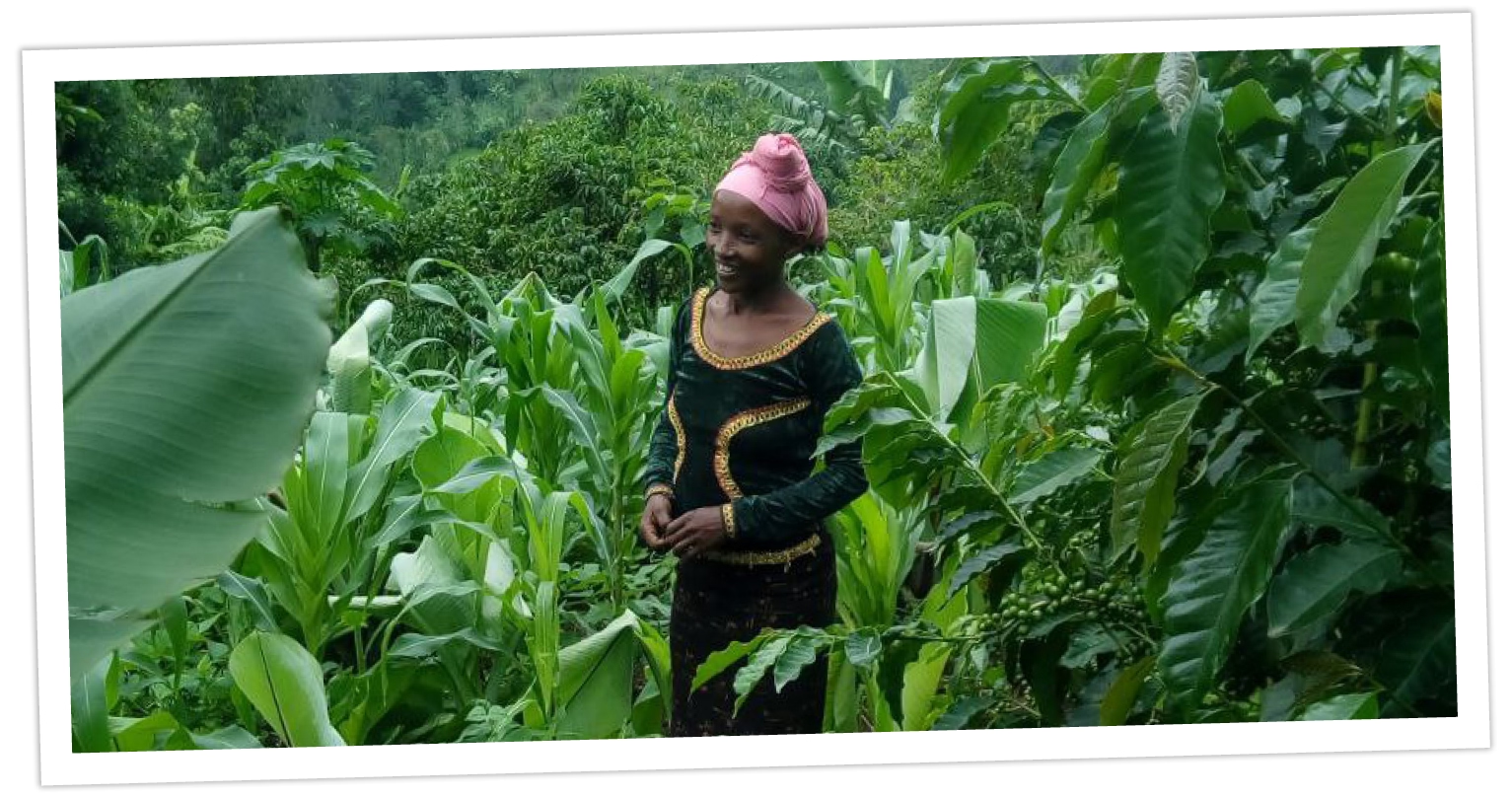
For coffee farmer and former Hamlin patient Dagamawit, coffee represents much more than a livelihood. It is also part of the life she reclaimed after suffering a devastating childbirth injury.
Did coffee originate in Ethiopia?
Ethiopia is widely recognised as the birthplace of coffee. According to legend, a ninth-century goat herder noticed his goats becoming unusually energetic after eating berries from a coffee plant.
When people tried the berries themselves, the energising qualities of coffee were discovered. Whatever its precise origins, coffee has been an important part of Ethiopian culture for centuries.

Why is coffee important in Ethiopian culture?
Coffee ceremonies are an integral part of social and cultural life in Ethiopia. Being invited to attend one is a mark of friendship and respect. During a traditional ceremony, coffee beans are roasted, ground and brewed in front of guests. The process can take several hours, creating time for family, friends, neighbours and visitors to gather and talk.
International Coffee Day recognises the many people behind every cup — from farmers like Dagamawit who nurture and harvest the plants to those who process, transport and prepare the coffee.
Meet Dagamawit, an Ethiopian coffee farmer
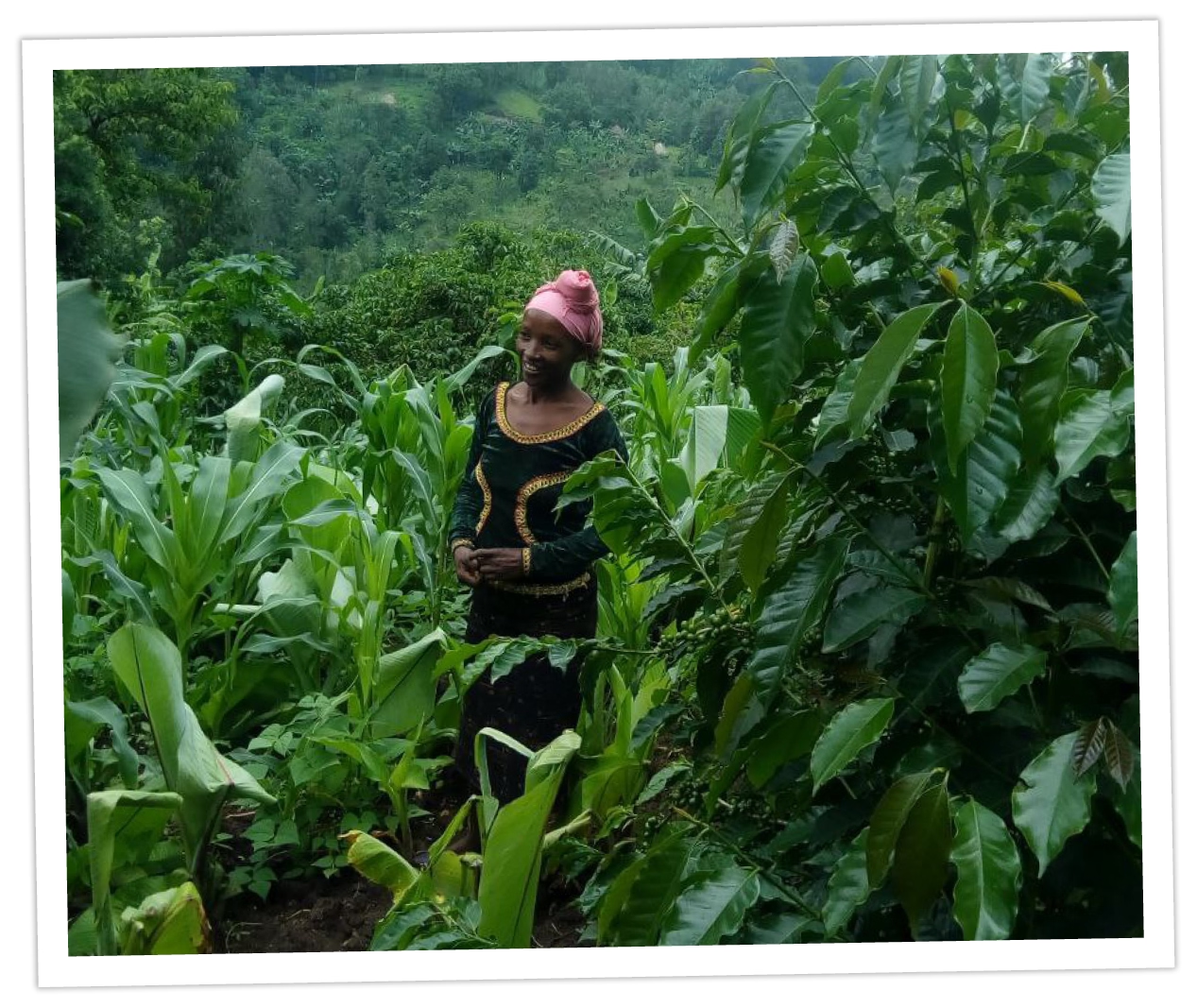
Dagamawit lives in Sidama, one of Ethiopia’s best-known coffee-growing regions. She spends her days caring for her coffee plants, harvesting ripe berries and selling her produce at the local market. Her coffee farm provides an income that helps her support her family. She takes pride in her work and in contributing to a crop that is central to her community.
But Dagamawit’s life changed during the home birth of her second child. After two days of obstructed labour, she delivered a stillborn baby and sustained an obstetric fistula—an internal injury that left her continuously leaking urine.
What is obstetric fistula?
Obstetric fistula is a preventable childbirth injury usually caused by prolonged, obstructed labour without timely access to emergency obstetric care, such as a caesarean section. The prolonged pressure of the baby’s head can create a hole between the birth canal and the bladder or rectum. This can cause uncontrollable leakage of urine or faeces.
Without treatment, women may live with the injury for years and experience serious physical, psychological and social consequences.
How did fistula impact Dagamawit?
After sustaining her injury, Dagamawit withdrew from the community she had once cherished. Her husband did not understand her condition and distanced himself, leaving her to face its consequences alone.
Working on her coffee farm became extremely difficult. The social gatherings she had once enjoyed became reminders of her isolation.
Previously known for her warmth and laughter, Dagamawit felt like “a ghost, haunting the edges of her own life”. Her health, independence and ability to earn an income had all been affected.
Where did Dagamawit find treatment?
A Health Extension Worker in Dagamawit’s kebele, or local community, told her that she could receive specialist treatment at Hamlin Fistula Ethiopia’s Yirgalem Fistula Hospital. With renewed hope, Dagamawit travelled to the hospital. There, she received surgery to repair her fistula and care to support her recovery.
Following treatment, she was finally free from the incontinence that had disrupted every part of her life.
As I healed, I began to dream again. I envisioned myself back in the fields, tending to my coffee plants. I longed to taste the sweetness of the ripe coffee berries.
- Dagamawit, a former fistula patient
Returning to her coffee farm
With her health restored, Dagamawit returned to her community and began cultivating coffee again. Her income from coffee farming helps cover her family’s expenses and enables them to buy nutritious food.
Just as importantly, returning to the work she loves has helped Dagamawit regain her confidence, independence and sense of purpose.
Today, Dagamawit is not only a survivor of obstetric fistula but also a respected voice in her community. She encourages other women living with fistula symptoms to seek treatment.
Celebrating coffee, recovery and resilience
This International Coffee Day, we celebrate Ethiopia’s extraordinary coffee heritage and the farmers whose knowledge and hard work bring coffee to people around the world.
We also celebrate women like Dagamawit, whose determination—and access to specialist fistula treatment—allowed her to return to her family, community and livelihood.


Catherine Hamlin Fistula Foundation acknowledges the Traditional Owners and Elders past, present and emerging throughout Australia and the Gadigal people of the Eora Nation, the Traditional Owners of the land and waterways on which our Australian office is situated. We acknowledge the many ethnic groups in Ethiopia and their ancestral and cultural connection to the land where our work is undertaken.