When two great women met: Catherine and Oprah
March 15, 2004
In 2004, Dr Catherine Hamlin was invited to travel from Ethiopia to Chicago for an interview on The Oprah Winfrey Show. The night before the interview, Catherine asked Ruth, her Public Relations Officer, “How will I know who [Oprah] is? Do you know what she looks like?”
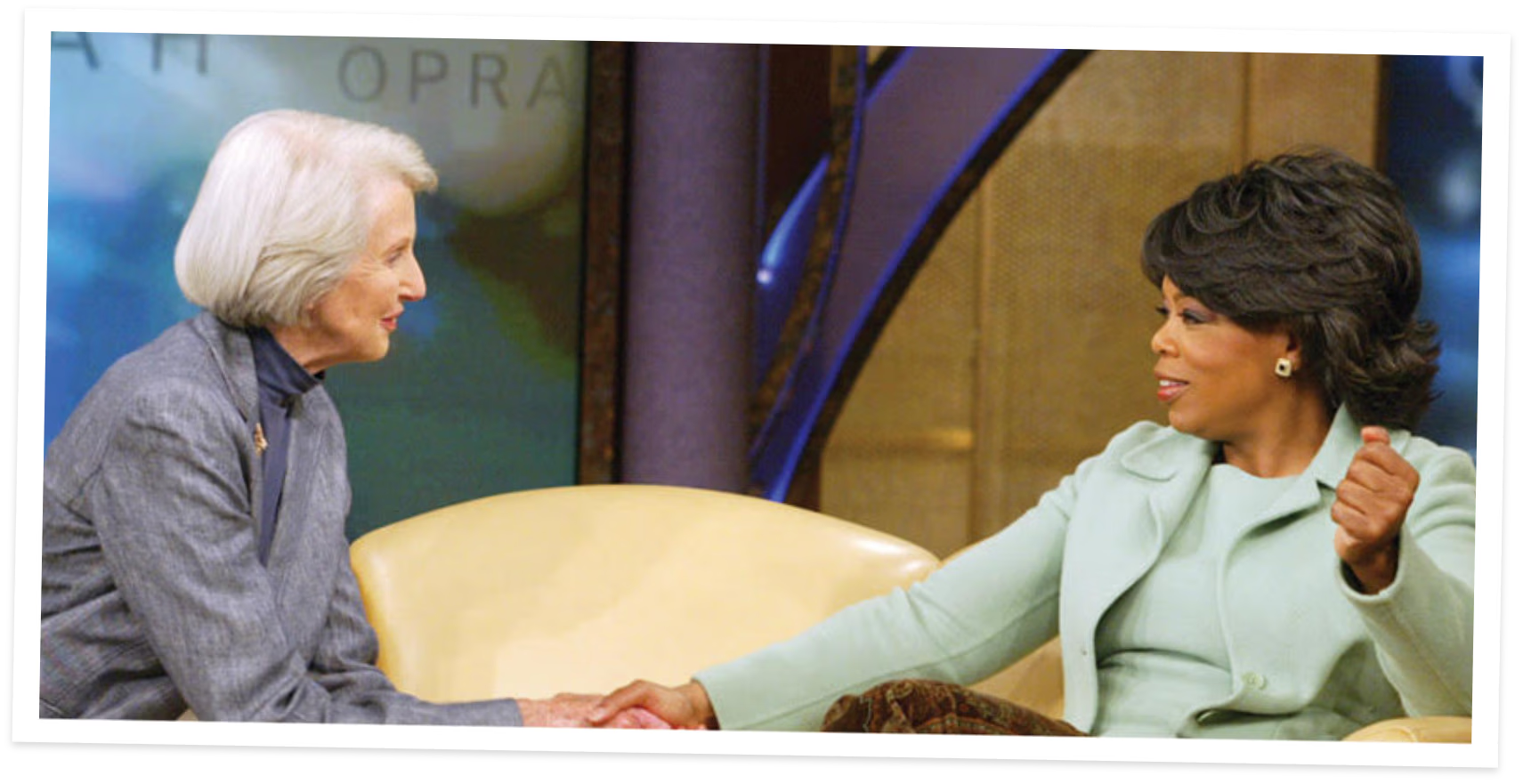
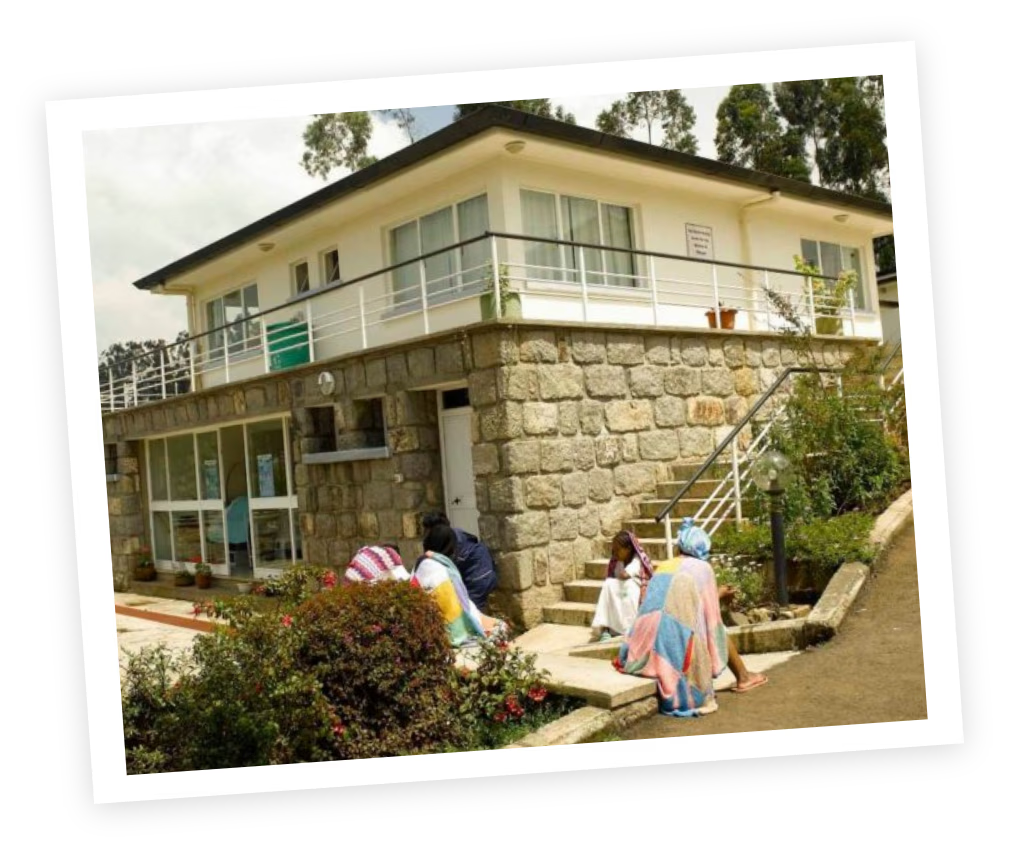

They were an unlikely pair. The charismatic, billionaire media personality…and the conservative, missionary doctor, who had spent most of her life quietly going about her life-saving medical work in Ethiopia.
John Little, from the book Catherine’s Gift.
In 2004, Dr Catherine Hamlin was invited to travel from Ethiopia to Chicago for an interview on The Oprah Winfrey Show.
The night before the interview, Catherine asked Ruth, her Public Relations Officer, “How will I know who [Oprah] is? Do you know what she looks like?” Ruth hurriedly went to purchase a copy of O Magazine, with Oprah’s picture on the front. Unbeknownst to Catherine, The Oprah Winfrey Show was the highest-rated daytime talk show in American history. The show was watched by 49 million Americans each week, and millions more across the globe.
When Catherine appeared on The Oprah Winfrey Show, she shared the heartbreaking story of obstetric fistula patients in Ethiopia. At that time, there was little international awareness about this devastating childbirth injury, which affects millions of girls and women in developing countries.
It’s a woman’s issue and nobody has done anything about it.
Dr Catherine Hamlin
When the episode was aired, thousands of viewers in America and beyond were moved to support Catherine’s work.
I believe this is God’s work on Earth, what you are doing.
Oprah Winfrey
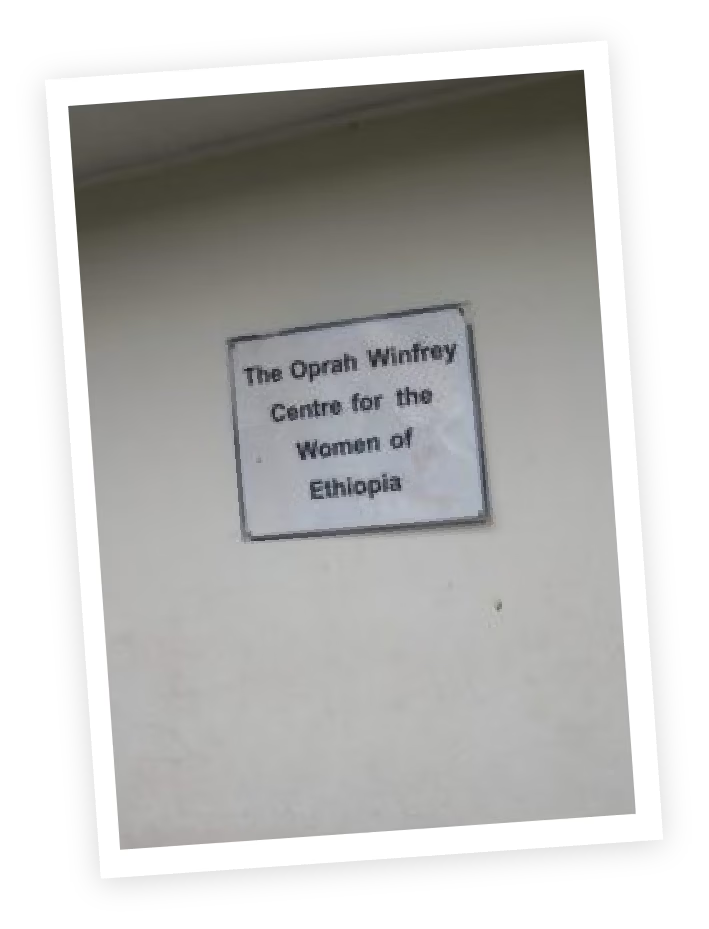
Oprah herself was so moved by the plight of fistula patients, she immediately made a generous personal donation, which contributed to building a new wing at the Addis Ababa Fistula Hospital. Furthermore, Oprah visited Catherine in Ethiopia several months later, to see her life-changing work firsthand.
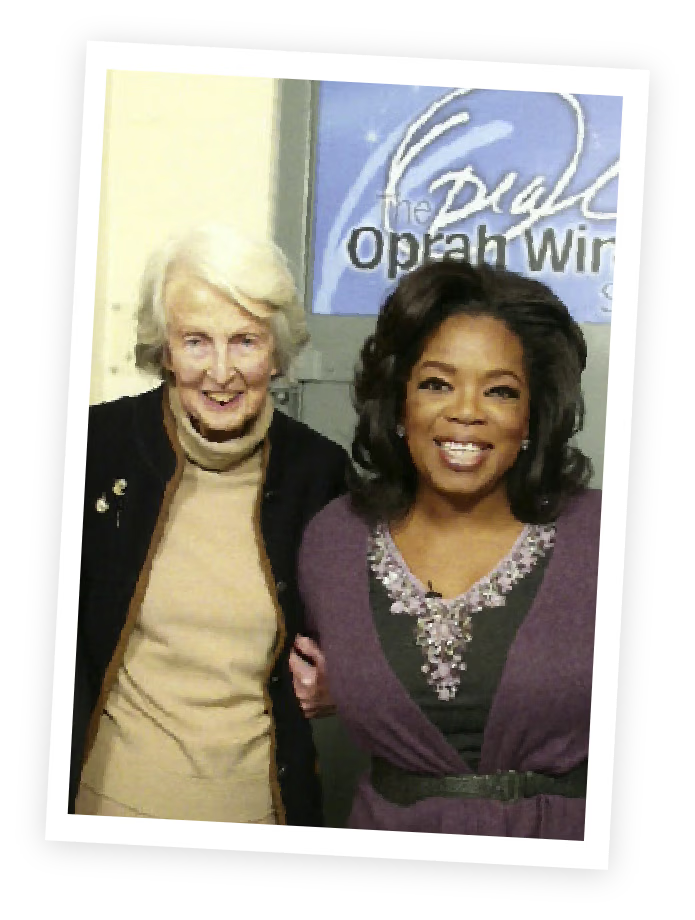
We were changed by it because we’d never even heard of a fistula problem and [Catherine Hamlin] has been repairing them for years.
Oprah Winfrey
At the Addis Ababa Fistula Hospital, Oprah was inspired by staff and moved by patients.
Oprah’s interview with Dr Catherine Hamlin would become a major turning point for raising awareness about obstetric fistula around the world. Many supporters have said they first learnt about Catherine when they viewed the show in 2004. Oprah has been an advocate and dedicated supporter of Catherine’s work ever since.
Thank you Oprah.
Watch the interview below!
About the Author
Felicity Duong
Intern at Catherine Hamlin Fistula Foundation


Catherine Hamlin Fistula Foundation acknowledges the Traditional Owners and Elders past, present and emerging throughout Australia and the Gadigal people of the Eora Nation, the Traditional Owners of the land and waterways on which our Australian office is situated. We acknowledge the many ethnic groups in Ethiopia and their ancestral and cultural connection to the land where our work is undertaken.