Your support in action: When Karen met MulFitu
March 30, 2026
On a recent visit to Ethiopia, Karen Foard, Global Head of Fundraising, Marketing & Communications, met MulFitu at Hamlin’s Harar Fistula Hospital, where compassionate care and your support were already helping to change her life.
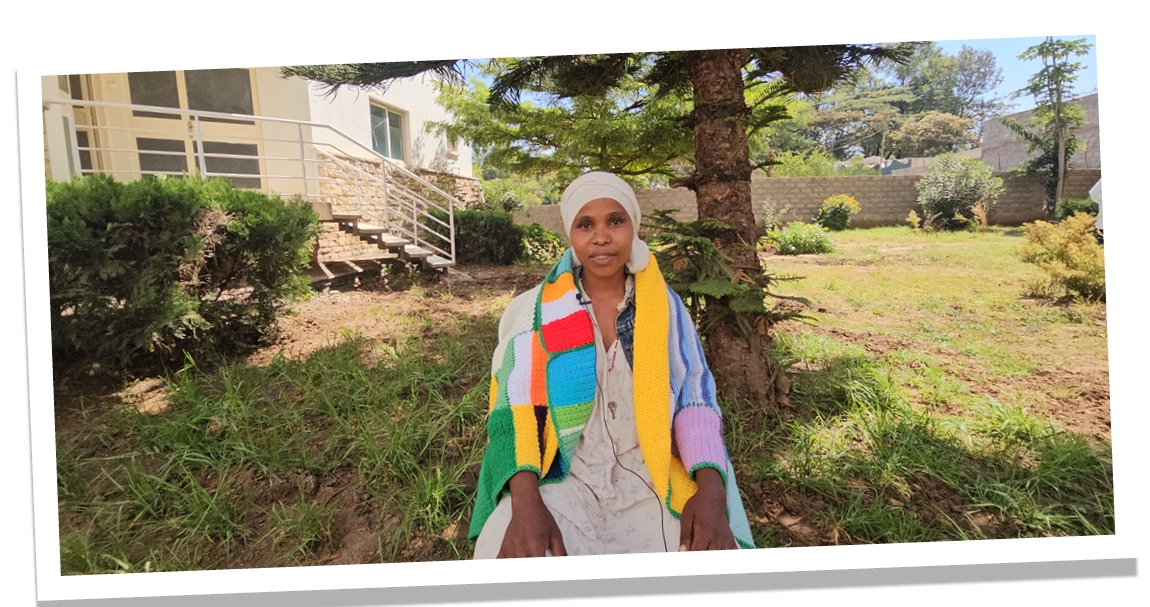
It’s always special to see firsthand the life-changing impact of your support for women.
I met MulFitu on a recent trip to Ethiopia just after she had arrived at Hamlin’s Harar Fistula Hospital for surgery. She was found by Mohammed, one of Hamlin’s Patient Identification Officers while he was searching for women with childbirth injuries.
My heart broke when MulFitu told me everything she had endured in her young life. Her first child was stillborn and her husband left her, blaming her for their loss. MulFitu also sustained an obstetric fistula. Griefstricken and deeply ashamed, she hid from people and struggled to survive her deepening poverty. MulFitu told me:
“I didn't understand what was happening; it [the urine] just kept flowing. I was told, ‘Fistula has been found in you. There is a place in Harar where it can be treated. They can come and take you.’ I kept waiting until you arrived.”
When a patient bravely shares her story, we ask her to choose a different name to protect her identity. MulFitu chose this name because it means ‘to be seen’ - which is exactly how she felt when she was welcomed to the Harar hospital.
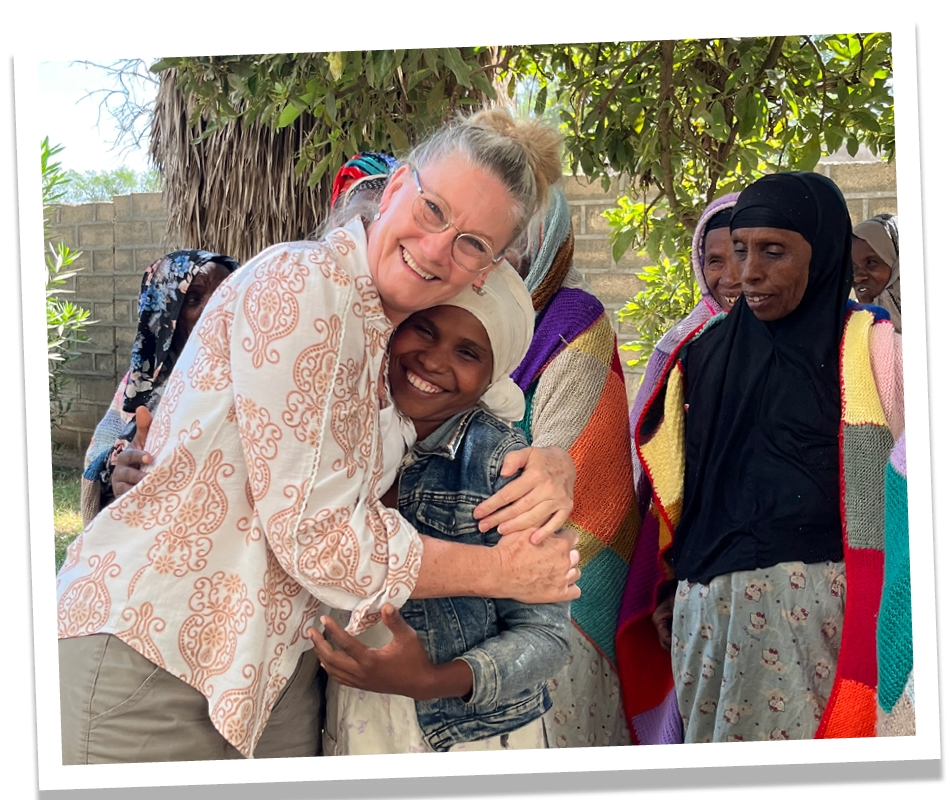

From the moment I arrived I was comforted and given food and water. I took a shower and put on a new gown. I walk around feeling free and I think about how happy I am now. I used to hide and run away from people. Now I walk with joy.
- MulFitu (with Karen) at Hamlin's Harar Hospital
I have met many women like MulFitu and I always carry their stories in my heart. I feel their pain and see their courage. Sharing their transformation is testimony to their strength, resilience and dignity.
Your support makes MulFitu’s healing possible - and she is forever grateful:
"You have made it possible for us to be healed and to return to our normal lives. Thank you to all of you."


Catherine Hamlin Fistula Foundation acknowledges the Traditional Owners and Elders past, present and emerging throughout Australia and the Gadigal people of the Eora Nation, the Traditional Owners of the land and waterways on which our Australian office is situated. We acknowledge the many ethnic groups in Ethiopia and their ancestral and cultural connection to the land where our work is undertaken.