Hamlin Barefoot Walk 2026: how to take part
September 02, 2026
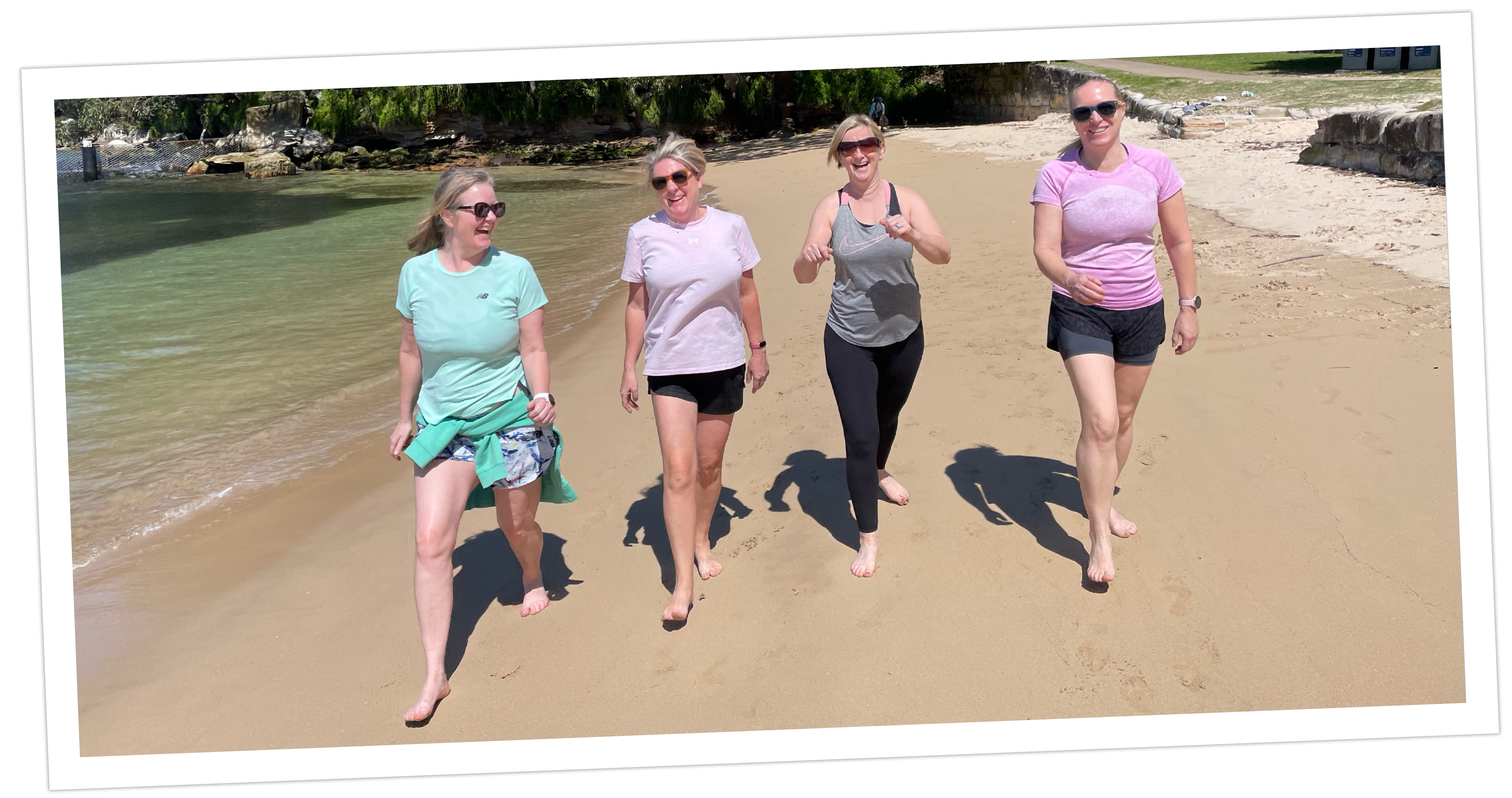
This October, the Hamlin Barefoot Walk is back — a 25km walking challenge raising funds and awareness for women living with obstetric fistula in Ethiopia.
- What: Walk 25km during October
- Fundraising goal: Raise $1,500 — enough to cover the cost of one fistula repair surgery
- How: Walk barefoot, in shoes, or a combination of both
- Why: Help women in Ethiopia access specialist maternal healthcare and raise awareness of the barriers many face in reaching treatment
You can complete the 25km however you choose — a little each day, over a few weekends or in longer walks. Go solo or walk with friends, family or colleagues.
However you take part, every step helps raise awareness and every dollar raised can help bring a woman closer to treatment and healing.
Why do we walk 25km?
For many women in rural Ethiopia, reaching medical care can mean travelling long distances on foot. The 25km Hamlin Barefoot Walk reflects the average distance a woman walks to reach medical care in Ethiopia. In some remote communities, women may walk for hours — sometimes days — before they can reach a clinic, hospital or even a main road.
For women living with obstetric fistula, that journey can be especially difficult. Travelling on foot, they may also be in physical pain, suffering from incontinence, and coming to terms with the trauma of losing a baby following an obstructed labour.
By walking 25km this October, you are recognising the journeys these women make and helping raise awareness of the barriers they face in accessing maternal healthcare. You are walking alongside them in solidarity.
Your fundraising has an equally important purpose. Participants are encouraged to raise $1,500 — the cost of one fistula repair surgery at one of Hamlin Fistula Ethiopia’s six hospitals. So every step helps raise awareness, and every donation can help bring another woman closer to treatment and healing.
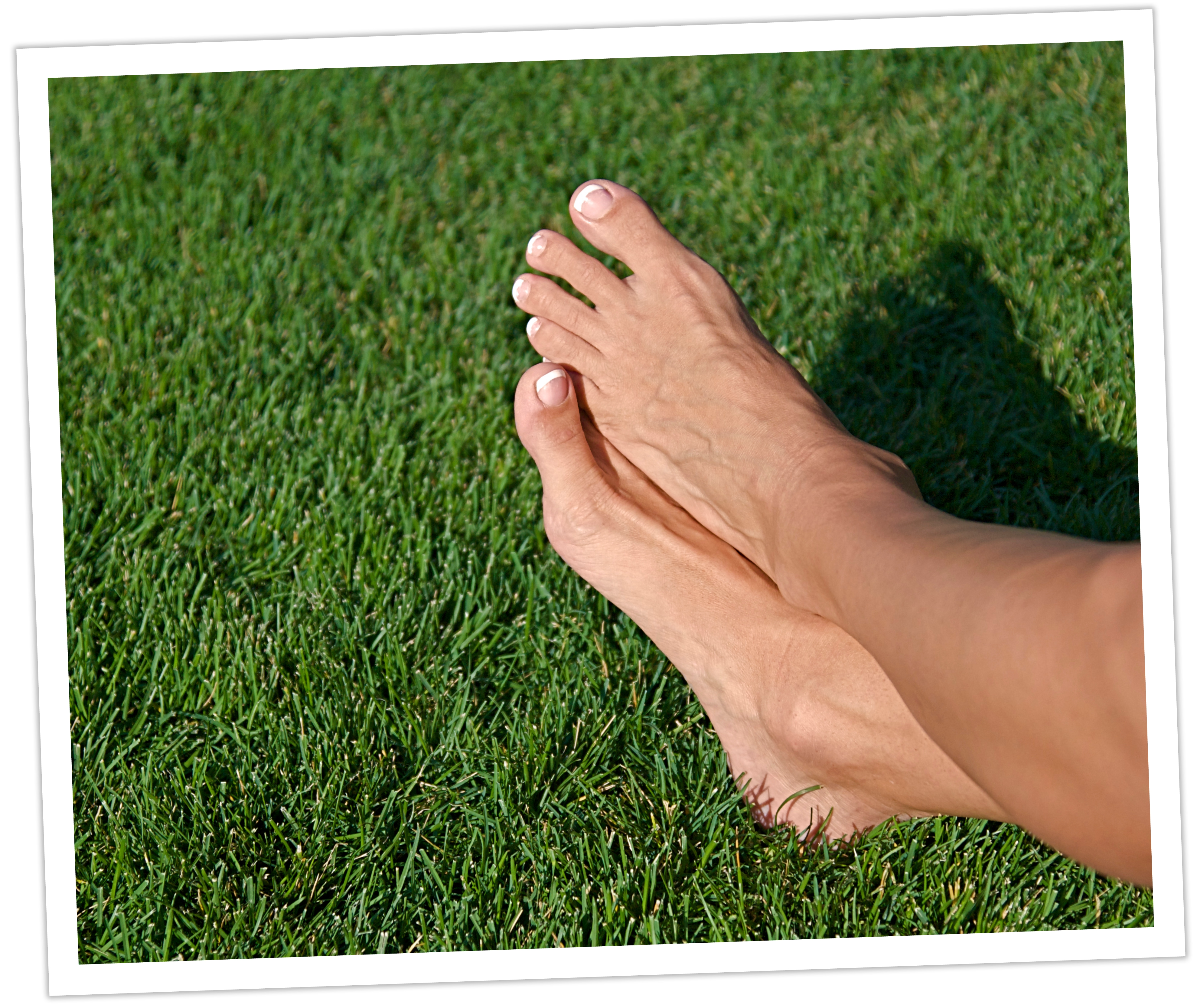
Do I have to walk barefoot?
No. Walking barefoot for some or all of the challenge can be a meaningful way to reflect on the journeys women in rural Ethiopia often make on foot, but it is completely optional.
You can walk barefoot, wear shoes, or do a combination of both. If you do choose to go barefoot, select safe, soft surfaces such as grass or sand and check the ground carefully. Comfort and safety should always come first.
How do I take part?
It’s simple:
- Walk 25km during October.
- Aim to raise a minimum of $1,500 — enough to cover the cost of life-changing fistula surgery.
You can walk anywhere and at any pace that works for you.
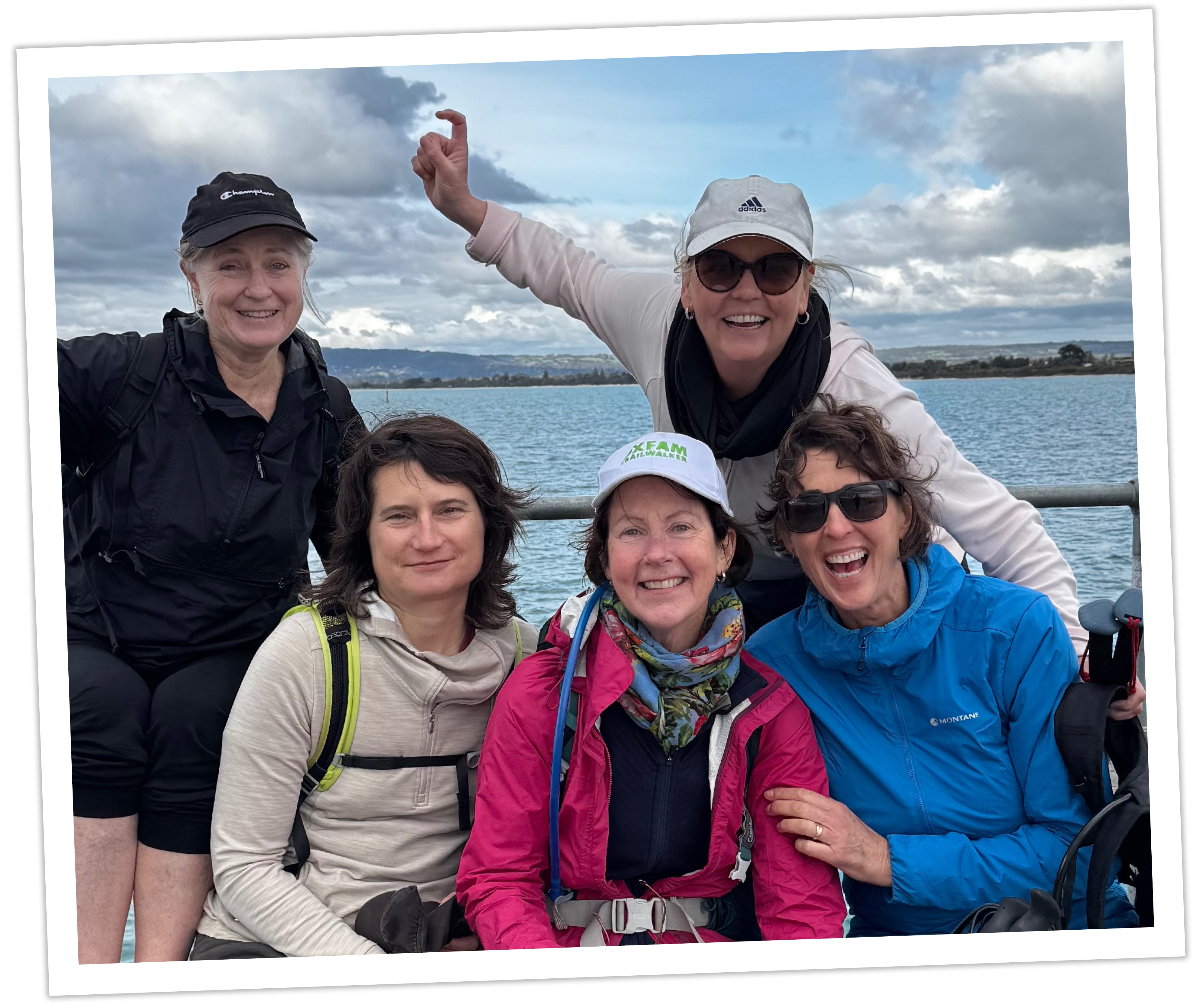
Less than 1km a day will get you to your goal over the month, and there are plenty of ways to fit those kilometres into everyday life. Take the long way home, plan a weekend walk, head to the beach, invite a friend to join you, or even take a work meeting outside and walk while you talk.
Where does the money go?
Every dollar raised supports the work of Hamlin Fistula Ethiopia. Hamlin provides specialist treatment for women living with obstetric fistula and other childbirth injuries across six hospitals in Ethiopia.
Your fundraising helps ensure that when a woman reaches a Hamlin Fistula Ethiopia hospital after her long journey, compassionate, specialist care is waiting for her.
This year, our goal is to raise enough to fund one fistula repair surgery for every day of October.
That could mean 31 women receiving the treatment they need to begin rebuilding their lives.
Who am I walking for?
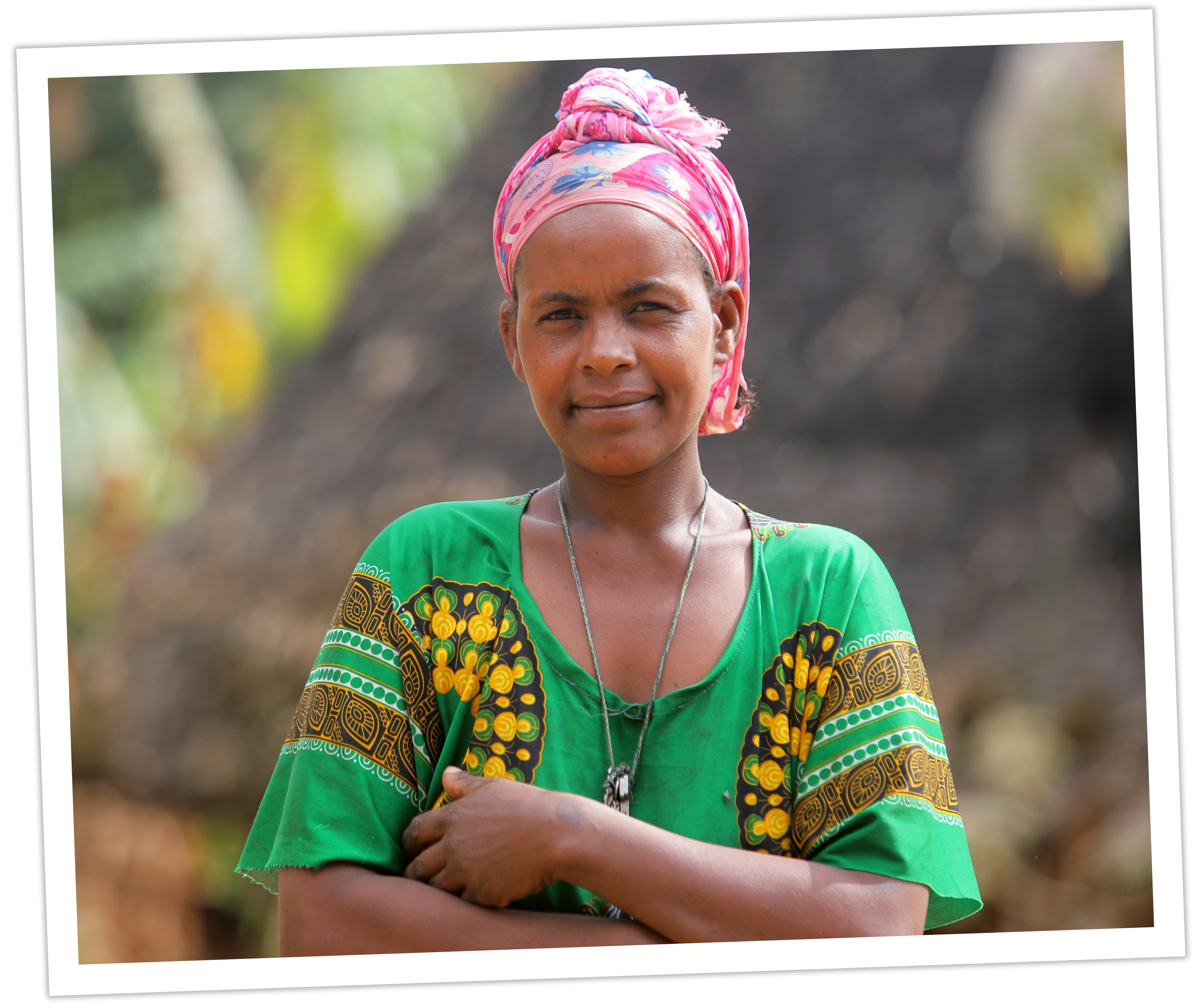
Your efforts will transform the lives of women like Semenesh.
She lived in a village so remote that it took around seven hours to walk to the nearest school, health clinic or bus stop.
When she fell pregnant, there was no nearby maternal healthcare and she did not have a single prenatal health check before giving birth.
After three days of obstructed labour, Semenesh had to be carried by stretcher to a government hospital. Tragically, her baby did not survive, and Semenesh was left with a double obstetric fistula. Her husband left her and she withdrew from those around her.
Three years later, Semenesh made the decision to search for help.

One day I woke up and I started a desperate journey seeking for help from someone, somewhere,” she says. “I preferred death to staying home in such a shameful way, so I walked for a full day to reach the closest government clinic.
- Semenesh
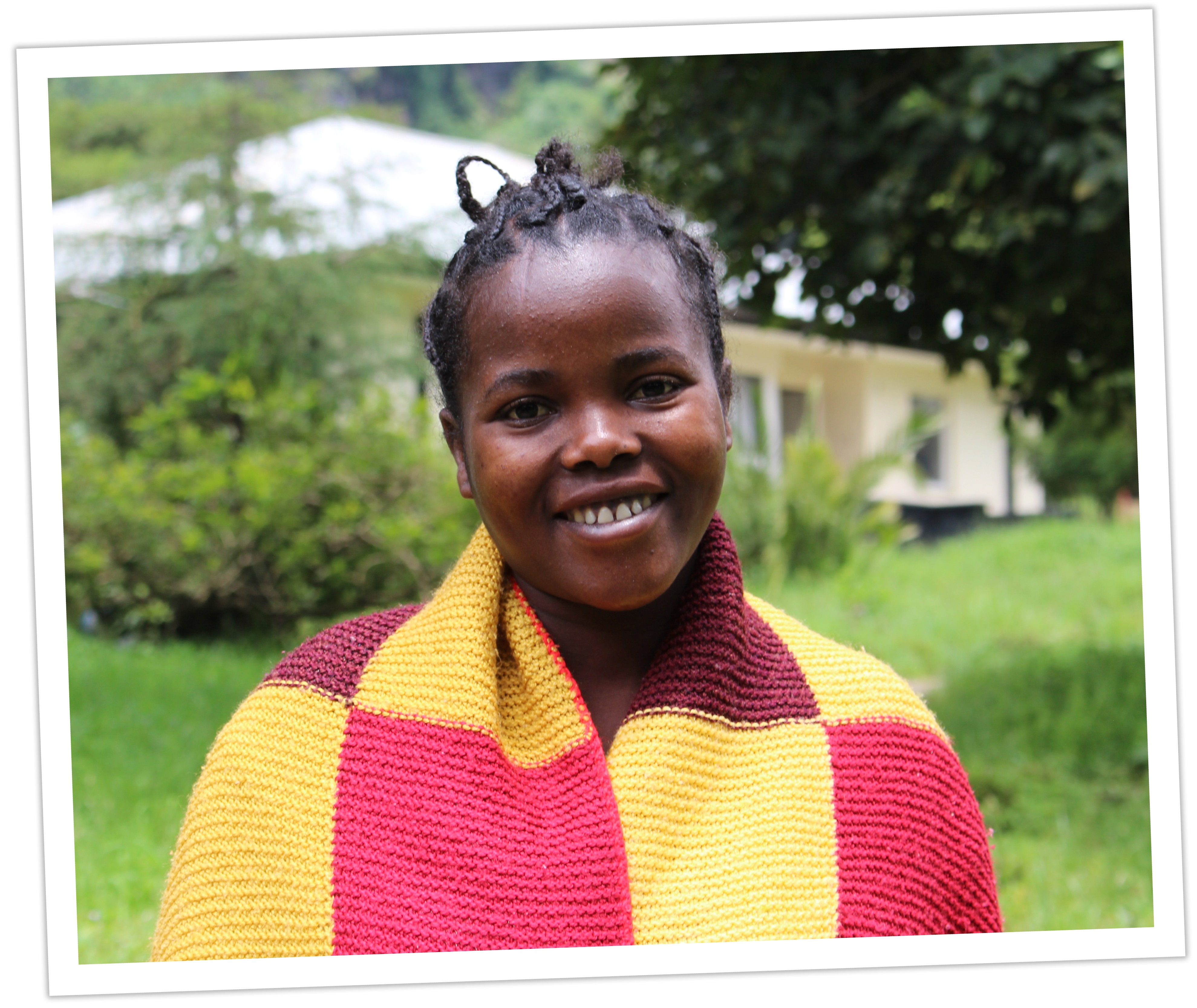
Semenesh walked 35km seeking treatment. She did this while leaking urine and faeces, and feeling completely despondent.
She was eventually referred to Hamlin’s Yirgalem Fistula Hospital, where she underwent her first surgery, before travelling to Hamlin’s Addis Ababa Fistula Hospital for further specialist care. There, her fistula was finally cured.
At Desta Mender, Hamlin’s Rehabilitation and Reintegration Centre, Semenesh continued her recovery and spent three months rebuilding her confidence and learning practical life and business skills.
“For me, this is like being born again,” Semenesh says. “If I had not arrived here, I could have been dead by now.”
Am I raising more than money?
Absolutely. By talking about why you are walking, sharing your progress, and telling friends and family about obstetric fistula, you are also helping raise awareness of a devastating childbirth injury that too often leaves women isolated, hidden and unheard.
- Every participant becomes an advocate for women like Semenesh.
- Every kilometre helps tell their story.
- And every dollar raised can help another woman access the treatment she needs.
Ready to take the first step?
Join the Hamlin Barefoot Walk this October.
Walk 25km.
Raise $1,500.
Help fund life-changing fistula surgery.
However you take part, every step has a purpose.


Catherine Hamlin Fistula Foundation acknowledges the Traditional Owners and Elders past, present and emerging throughout Australia and the Gadigal people of the Eora Nation, the Traditional Owners of the land and waterways on which our Australian office is situated. We acknowledge the many ethnic groups in Ethiopia and their ancestral and cultural connection to the land where our work is undertaken.