Celebrating the rich tapestry of Ethiopia
August 03, 2026
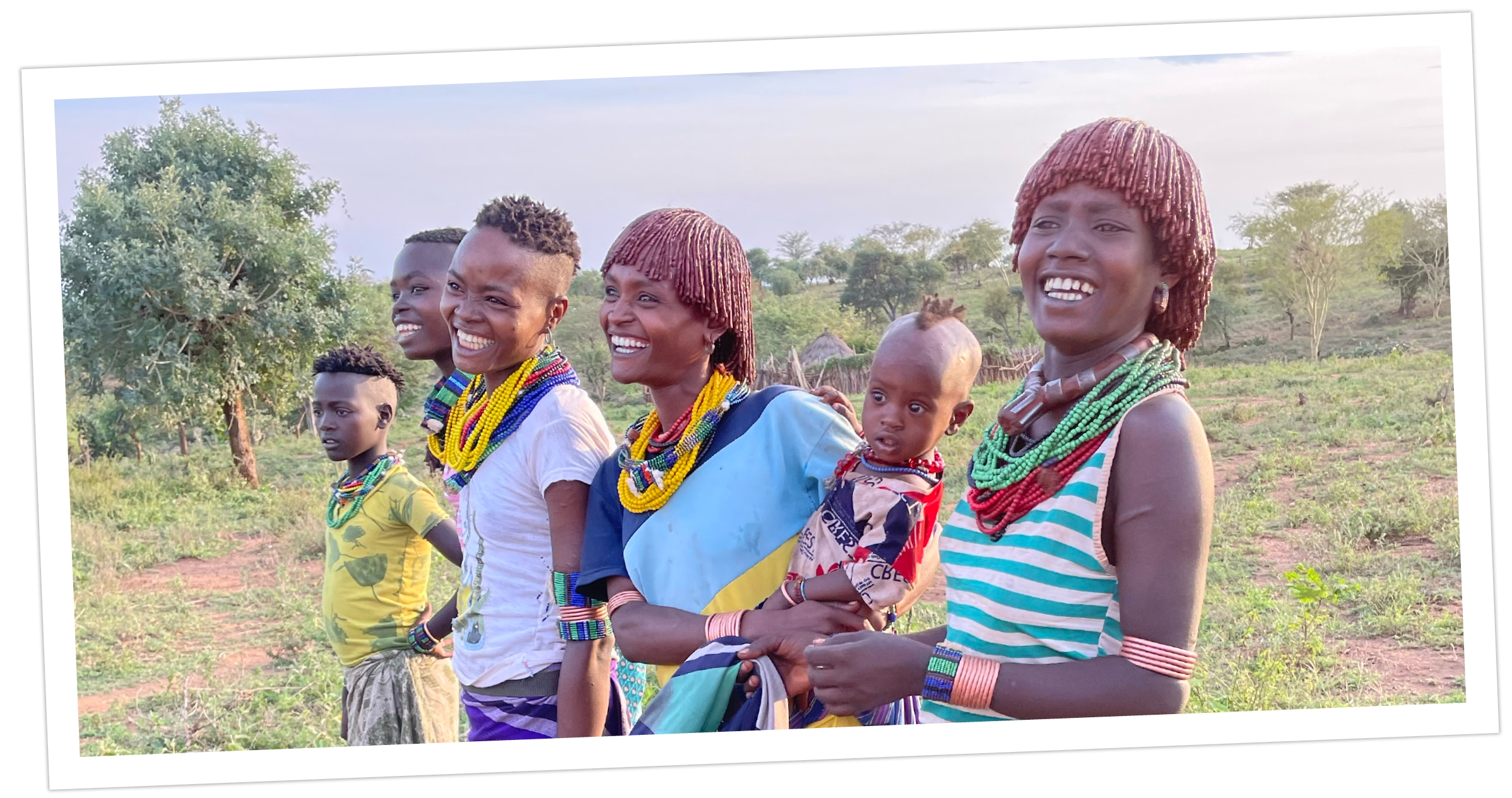
Every year on the 9th of August we mark the International Day of the World’s Indigenous Peoples, a United Nations observance first commemorated over four decades ago.
It is an opportunity to raise awareness and safeguard the human rights of people who represent 5,000 diverse cultures around the globe. It is also a day to celebrate the customs, traditions, knowledge, history, and contributions that indigenous people make to our lives.
While indigenous people make up just 5% of the world’s population, they speak the majority of the world’s estimated 7,000 languages and contribute so much to the world we live in today.
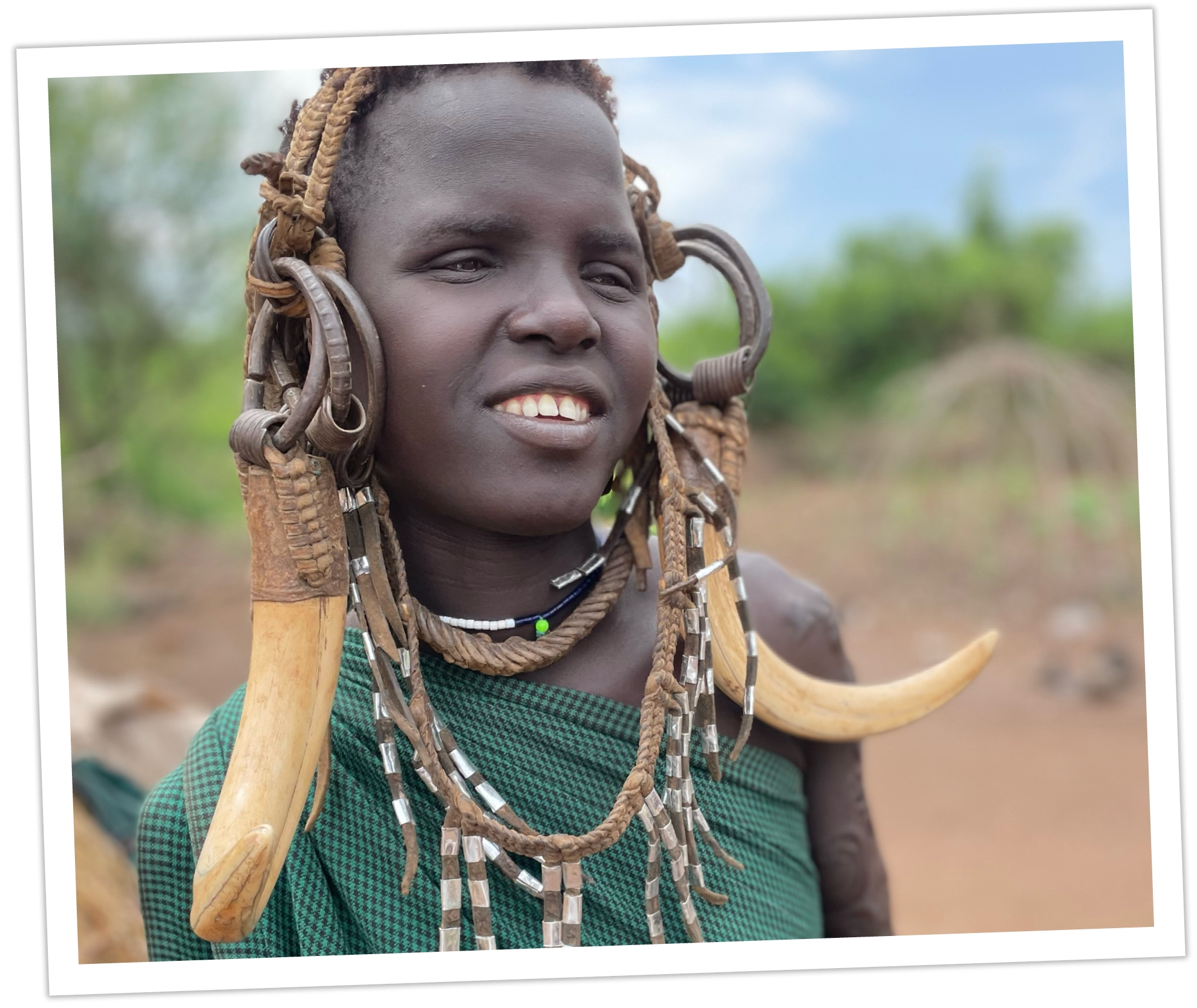
Ethiopia's rich cultural heritage
In Ethiopia, 75% of the population is a member of either the Oromo, Amhara, Somali or Tigray ethnic groups.
But there also an additional 80 indigenous groups, some with as few as 10,000 members. The impact they have made on the fabric of society in Ethiopia is everywhere.
The Amhara people, Ethiopia’s 2nd largest indigenous group, are known for their long history in literature and theatre, while music produced by the Welayta people remains prominent in Ethiopia today. The Afar produce some of the world’s most beautiful jewellery, while the Hamar’s distinctive black, yellow, and red bead work is easily recognised.
The Oromo people, who come from central Ethiopia, are believed to have been the first to cultivate coffee, after a goat herder noticed the energising benefits it had on his herd. Today coffee ceremonies are an integral part of social and cultural life in Ethiopia, and a daily tradition for around 1 billion people around the globe.
Register for the next Hamlin Ethiopian Adventure and experience the country in all its beautiful diversity.
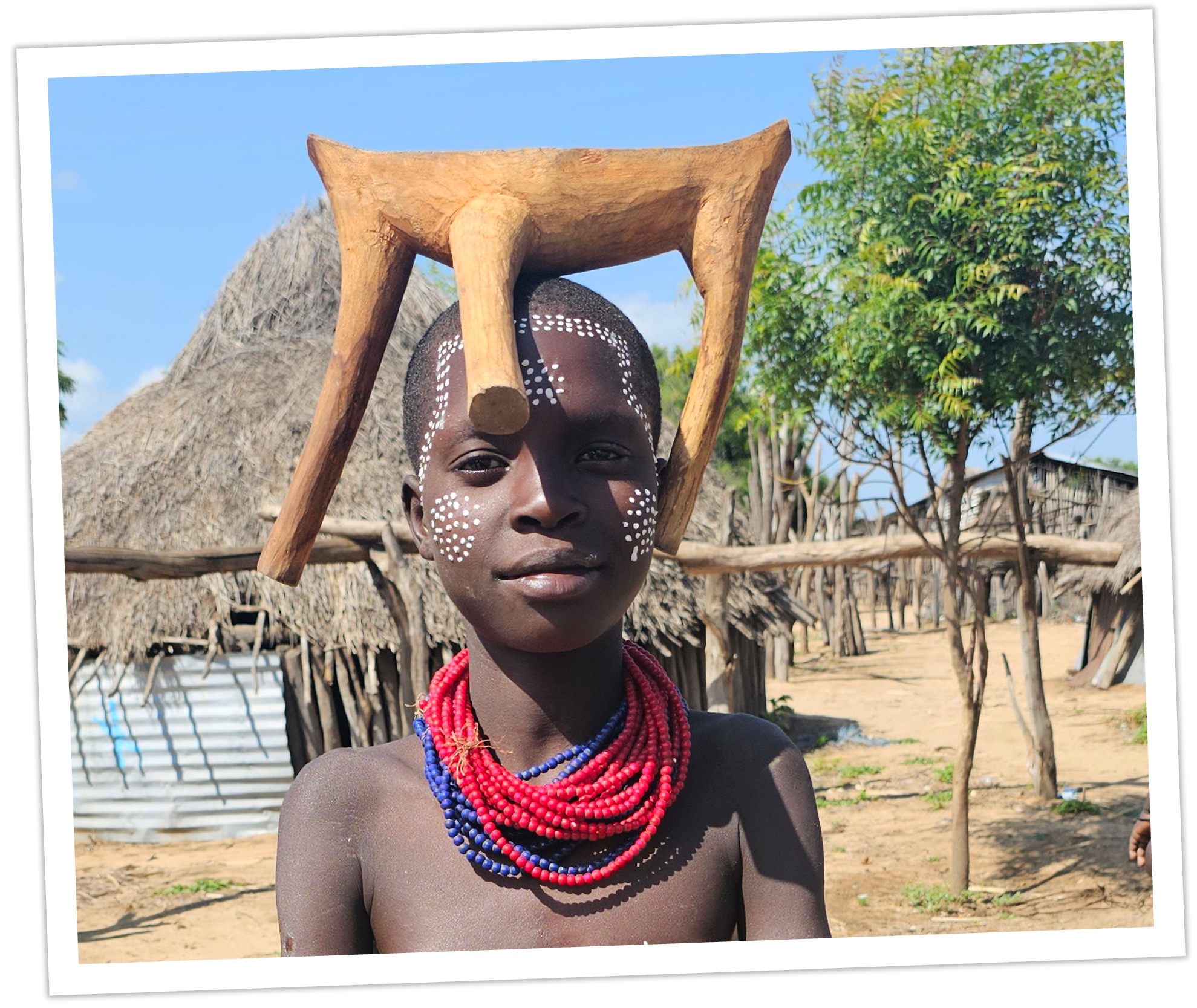


Catherine Hamlin Fistula Foundation acknowledges the Traditional Owners and Elders past, present and emerging throughout Australia and the Gadigal people of the Eora Nation, the Traditional Owners of the land and waterways on which our Australian office is situated. We acknowledge the many ethnic groups in Ethiopia and their ancestral and cultural connection to the land where our work is undertaken.