Carrying Dr Catherine’s Spirit into Rural Clinics
June 15, 2026
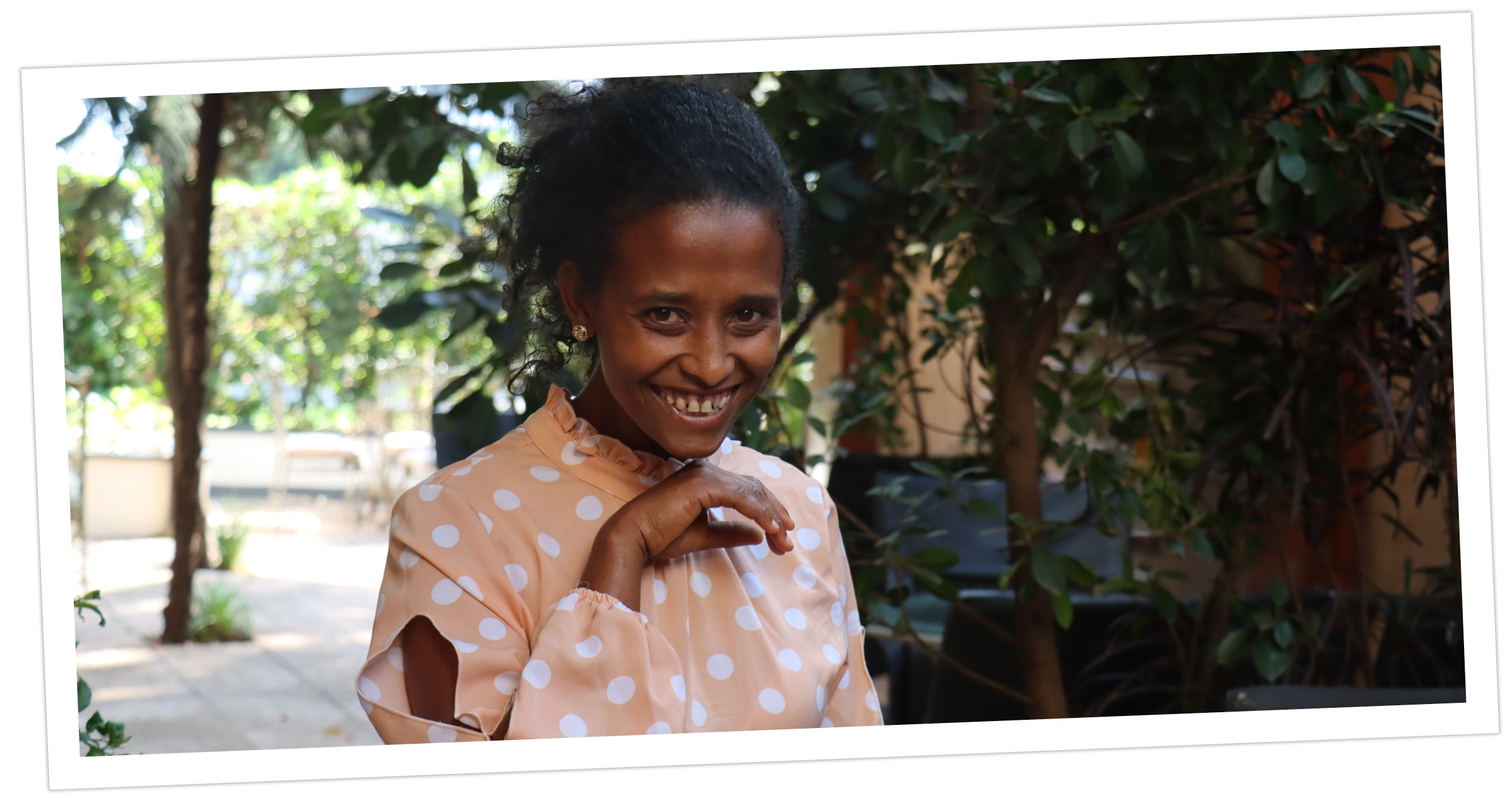
After graduating from the Hamlin College of Midwives, Sister Tsedenya’s first deployment was to a small rural clinic in North Mecha. She arrived, she explains, guided by the example of Emaye (Dr Catherine).
“I learned so much from her life story - especially the way she approached medical cases, and her philosophy that the services we provide should be free, compassionate, and driven by kindness without expecting anything in return.”
Her new role began just as conflict affected the region. Public transport and ambulances were grounded, and the electrical grid was often damaged or cut off. Sister Tsedenya faced her first major challenge as a midwife: a work environment where light was not guaranteed.
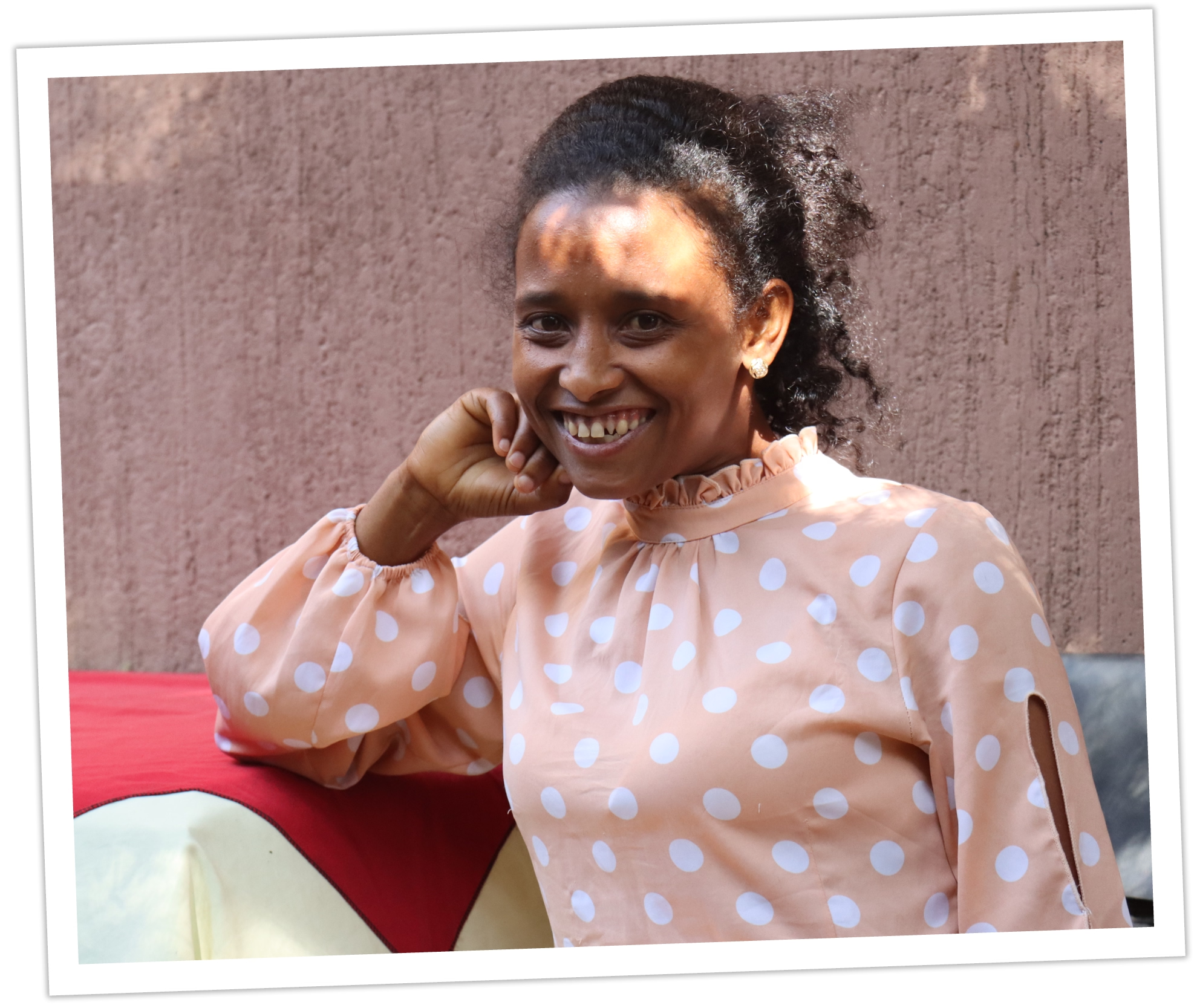

When a mother leaves her dark home to come to us, it brings me so much joy to keep the lights on for her through the entire night so she can rest comfortably and move without fear or shame. Without light, our work is brutal.
- Sister Tsedenya
Sister Tsedenya and her team delivered many babies using the flashlights on their mobile phones.
Fortunately, Sister Tsedenya has the opportunity to discuss these difficulties at regular meetings of the Hamlin Midwives Alumni Network. It is a chance to refresh her skills, while also learning from her more experienced peers.
“These women have lived through immense hardships, yet they are still standing and still saving lives. The biggest takeaway for me is the conviction that I can overcome my challenges.”
Your support helps empower midwives like Sister Tsedenya, whose skilled, compassionate care transforms maternal health in rural communities. Together, we are making a lasting difference for mothers and babies.


Catherine Hamlin Fistula Foundation acknowledges the Traditional Owners and Elders past, present and emerging throughout Australia and the Gadigal people of the Eora Nation, the Traditional Owners of the land and waterways on which our Australian office is situated. We acknowledge the many ethnic groups in Ethiopia and their ancestral and cultural connection to the land where our work is undertaken.