The long road to treatment for Abadis
March 30, 2026
Life at Desta Mender, which means Joy Village in Amharic, feels like heaven.
These are the words of Abadis, who is awaiting surgical treatment after living with the devastating impacts of obstetric fistula for more than two decades.
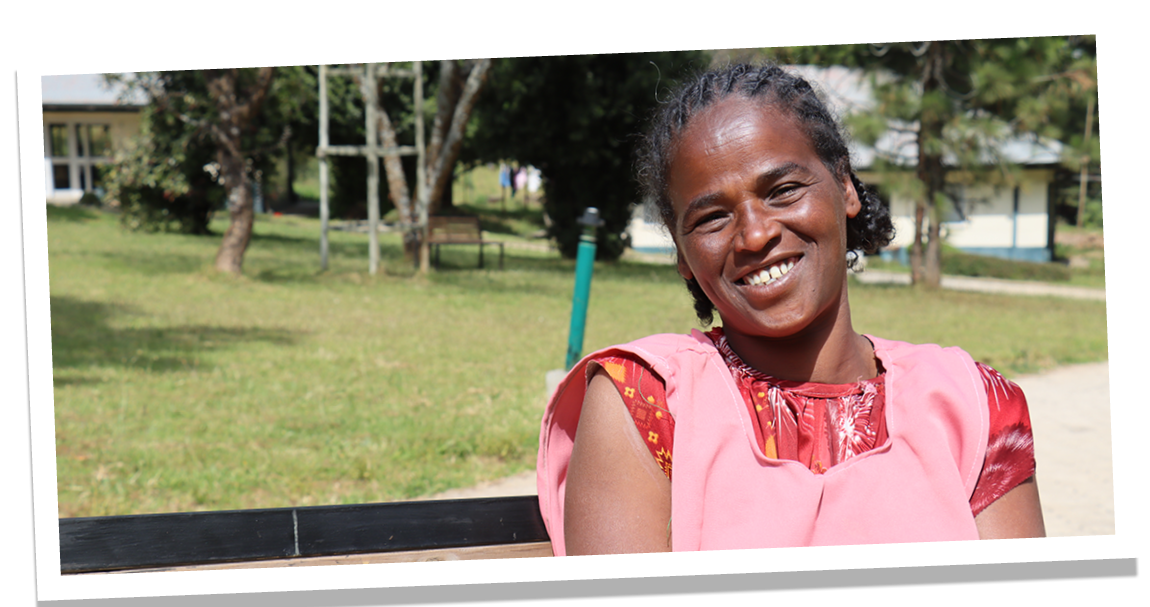
One of six children from a farming family near Mayichew, Abadis’ first pregnancy resulted in five days of labour. Because of the remoteness of her home and the lack of transport, she was eventually carried by kareza — a traditional stretcher — to a rural hospital. From there, she was referred to another hospital in Ethiopia’s capital, and then again to Hamlin’s Addis Ababa Fistula Hospital, where she met Emaye (Dr Catherine) in person.
Abadis’s trauma should have ended there. While she began treatment and received some relief from her injury, Abadis felt increasingly overwhelmed and despondent. Despite staff encouraging her to remain for further treatment, she became convinced there was little hope of a full recovery and returned home instead.
For the next 20 years, she lived in isolation and pain.
"Living with urinary and faecal incontinence was a nightmare. I cried every day, feeling hopeless"
“A traditional belief in my community suggested I had brought this upon myself, leading many to ignore me. As a result, I felt utterly alone. My husband left me for another woman, because who would want a wife living in such a miserable condition?”
Twenty years of silence and stigma
Daily life was filled with both physical and emotional hardships Abadis explains: “Each morning, I would sneak to the river to wash my soiled clothes, returning home before anyone could see me.
“There were times I wished a hyena would put an end to my suffering. I avoided church out of fear of soiling it and only visited when no one was around.”
Fortunately, Abadis later met a woman who encouraged her to return to Hamlin Fistula Ethiopia. She found the strength to travel to Hamlin’s Mekele Fistula Hospital, where she was again referred to Hamlin’s Addis Ababa Fistula Hospital.
She is now living at Desta Mender, Hamlin’s Rehabilitation and Reintegration Centre for women with more complex obstetric fistula cases. Her treatment and care are provided free of charge, thanks to the generosity of supporters around the world.
Healing at Joy Village
Today, as she awaits surgery, Abadis is already feeling less shame and more hope for the future. She says: “In my village, finding clean water was a challenge, and the constant irritation from my fistula leakage made life unbearable. I would often prefer to receive water from my family over food.
“The training here has been excellent, and I am emotionally healing. Living with women who have faced similar struggles has made this experience comforting. I no longer feel alone in my suffering.”
In time, Abadis hopes to return home cured of fistula and equipped with new skills to rebuild her life.
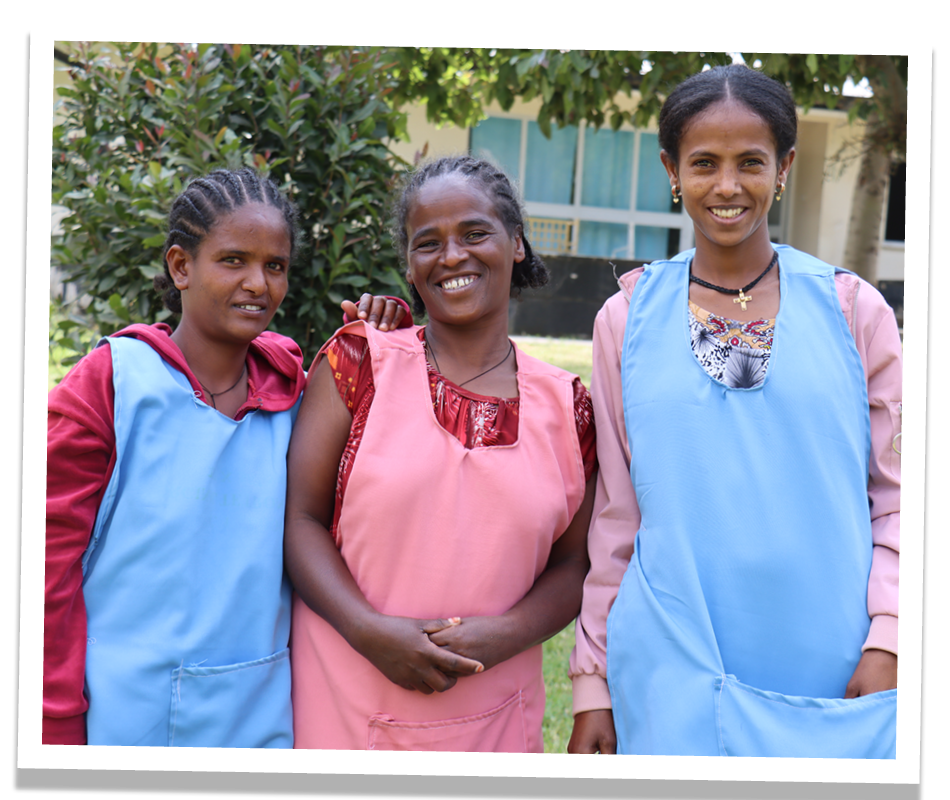

“I am focusing on learning animal husbandry and poultry training. I enjoy embroidery and sewing as well. When I return home, my plan is to buy sheep and hens to generate income for myself.”
- Abadis
For Abadis, and for many other women who spend time there, Desta Mender is a home away from home. Abadis says: “The trainers have treated us like family, making our stay much more comfortable.
“I want to express my gratitude to all the staff for their dedication and support. May God bless them with health and wealth, and may He rest Emaye’s soul in peace.”
Donate today to help more women receive compassionate, specialist treatment and rehabilitation at Desta Mender (Joy Village).


Catherine Hamlin Fistula Foundation acknowledges the Traditional Owners and Elders past, present and emerging throughout Australia and the Gadigal people of the Eora Nation, the Traditional Owners of the land and waterways on which our Australian office is situated. We acknowledge the many ethnic groups in Ethiopia and their ancestral and cultural connection to the land where our work is undertaken.